Hemp-derived THC gummies are cannabis edibles made from legal hemp plants, delivering mild psychoactive effects through controlled doses of delta-9 THC, delta-8 THC, or other hemp cannabinoids. But if you’re shopping for these products in Canada this summer, you need to understand a critical regulatory shift coming in November 2026 that will fundamentally reshape what’s available and what’s legal.
Here’s what you’re facing: as of May 2026, hemp-derived THC gummies remain widely available across many markets. However, new federal regulations taking effect on November 12, 2026 will impose strict THC limits on hemp products. The upcoming rule focuses on total THC content, not just delta-9, and applies a container limit of just 0.4mg per package. That’s the entire jar, bag, or bottle, not per gummy. Most products currently on shelves won’t meet this standard.
For Canadian consumers, the picture is even more straightforward. Cannabis products, including all CBD and THC edibles, cannot legally cross the Canadian border in either direction. Whether you’re entering or leaving Canada, bringing these gummies with you is illegal, regardless of where they were purchased or what concentration they contain.
This guide cuts through the confusion. You’ll learn what separates quality hemp THC gummies from questionable products, how to evaluate potency and safety before the regulatory deadline, which product types deliver the experience you’re after, and how to avoid the most common purchasing mistakes. If you’ve been considering hemp-derived THC edibles or wondering whether your current products will remain accessible, the next few months represent a crucial window. Understanding both the product landscape and the legal timeline will help you make informed decisions that prioritize safety, compliance, and the experience you’re actually looking for.
What Makes Hemp-Derived THC Gummies Different
Hemp-derived and marijuana-derived THC gummies contain the same primary psychoactive compound, delta-9 THC, but they come from different plants and navigate different legal pathways. The distinction lies in the source plant and the total THC concentration. Under federal definitions, hemp refers to cannabis plants containing very low levels of THC, while marijuana refers to cannabis plants exceeding that threshold. This technical difference has created a market for products marketed as “hemp-derived,” which have gained popularity partly because they’ve occupied a regulatory gray area that’s about to shift dramatically.
The appeal of hemp-derived THC gummies stems from their accessibility and the perception that they operate under different rules than traditional cannabis products. As of May 2026, these products remain available in many places, but that landscape is changing. The key factor many consumers don’t fully grasp is the difference between delta-9 THC and total THC. Delta-9 THC is the specific compound most people associate with psychoactive effects, but total THC includes delta-9 plus other THC variants that form during processing and storage. The federal rule scheduled to take effect on November 12, 2026, focuses on total THC, not just delta-9, which catches many shoppers off guard.
In the Canadian cannabis landscape, this distinction matters less than in some other markets because Canada has a regulated cannabis system that doesn’t carve out special exceptions for hemp-derived products the way certain jurisdictions have. Whether derived from hemp or marijuana, THC products in Canada fall under cannabis regulations. The container limit of 0.4mg total THC per package, not per gummy, means that starting in November, many products currently on shelves won’t meet the new standard. This isn’t about individual serving size; it’s the cumulative THC across every gummy in the jar or bag that must stay under that threshold. For consumers accustomed to products containing 5mg, 10mg, or more per serving, this represents a fundamental shift in what will be legally available as hemp-derived options.
Important Legal Changes Coming in November 2026

The hemp-derived THC gummy market is about to face a significant shift. On November 12, 2026, a major federal hemp-definition change takes effect that will fundamentally alter what products can legally remain on shelves. If you’re shopping for hemp-derived THC gummies in Canada, understanding this upcoming regulatory change is essential to making informed decisions about what you buy and when.
The core of the November 2026 change centers on how the federal government defines legal hemp products. While hemp has traditionally been distinguished from marijuana by its low THC content, the new regulations introduce an extremely restrictive standard for finished consumer products. The federal rule examines total THC content, not just delta-9 THC. This distinction matters because many hemp-derived products contain a mix of cannabinoids, and the new measurement captures the full spectrum of THC present in the product.
This 0.4mg cap applies to the full jar, bag, bottle, or package you purchase. To put this in perspective, most current hemp-derived THC gummies contain between 5mg and 25mg of THC per piece, with containers typically holding 10 to 30 gummies. That means a product that’s perfectly legal and widely available as of May 2026 could become entirely non-compliant once the new definition takes effect. The practical result is that most hemp-derived THC gummies currently on the market will need to be reformulated to nearly negligible potency levels or removed from sale entirely.
For Canadian consumers, this change has immediate shopping implications. If you’ve been using hemp-derived THC gummies and want to continue, you should expect drastically reduced product availability and potency after mid-November 2026. Many brands may exit the hemp-derived THC gummy market altogether rather than reformulate to such low levels. Others might shift their focus to provincially-regulated cannabis products that fall under different rules.
It’s also critical to remember that cannabis products of any kind, including hemp-derived THC gummies, are illegal to take cannabis across the Canadian border in either direction. This prohibition covers all cannabis products, including edibles, extracts, topicals, and CBD items, regardless of their legal status within Canada or their country of origin. Never attempt to bring hemp THC gummies with you when entering or leaving Canada, even if you purchased them legally within the country. Border regulations are strict, and violations carry serious consequences.
The November 2026 regulatory shift underscores why staying informed matters when navigating the hemp-derived THC market. What’s available today may look very different in just a few months.
Key Factors to Consider When Buying Hemp THC Gummies
Understanding Potency and Dosage
Reading a THC content label correctly is the first step to choosing a safe, effective product. Most gummies display milligrams of THC per piece, but you need to look deeper. Check whether the label shows delta-9 THC specifically or total THC, the difference matters, especially with the November 2026 rule change that focuses on total THC, not just delta-9. Many products also list CBD content; a balanced ratio can modify the experience, typically producing milder psychoactive effects.
For beginners, start with the lowest available dose, ideally 2mg to 5mg of total THC per gummy, and wait at least two hours before considering more. Edibles take time to kick in, and it’s easy to overconsume if you’re impatient. Experienced users might seek 10mg or higher per piece, but even veterans should respect the delayed onset and longer duration compared to smoking or vaping.
Here’s where the container limit becomes critical: the 0.4mg total THC cap applies to the entire package, not each gummy. That means a ten-pack of gummies can’t legally exceed 0.4mg combined once the new rule takes effect. If you’re shopping in late 2026, a product labeled “5mg per gummy” won’t comply and may disappear from shelves. Understanding this packaging constraint helps you recognize what’s genuinely available versus what’s leftover inventory or misleading marketing. Always verify the total THC for the full container, not just the per-serving amount, to gauge actual product strength and legal compliance.
Lab Testing and Quality Assurance
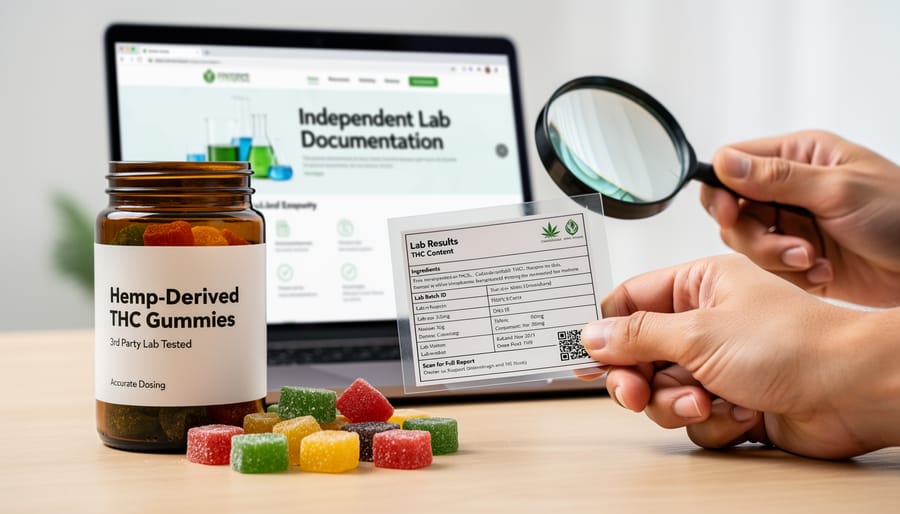
Third-party lab testing isn’t optional, it’s the only reliable way to know what you’re actually consuming. Certificates of analysis (COAs) should verify the exact THC content, confirm the absence of heavy metals, pesticides, and solvents, and test for microbial contaminants like mold and bacteria. A legitimate COA comes from an independent laboratory, not the brand’s in-house facility, and should list specific test results with pass/fail markers for each category.
Before buying, check whether the brand makes COAs easily accessible, typically through QR codes on packaging or a dedicated section on their website. The certificate should match the specific batch number of the product you’re considering. Look for testing that measures total THC, not just delta-9 THC, since the federal rule considers the combined amount. If a brand doesn’t provide lab results or makes them difficult to find, that’s a red flag.
Verify the testing lab’s credentials by searching for their accreditation status. Reputable labs hold ISO/IEC 17025 certification, which ensures they follow strict quality standards. Some brands list vague claims like “lab tested” without providing actual documentation, these merit skepticism. The coming November 2026 regulations make accurate testing even more critical, as products will need to prove they meet the strict 0.4mg total THC container limit.
Types of Hemp-Derived THC Gummies Compared
When shopping for hemp-derived THC gummies, you’ll encounter several distinct product categories that serve different purposes and deliver varying experiences. Understanding these differences helps you select products aligned with your preferences and goals.
Full-Spectrum Versus Isolate Products
Full-spectrum gummies contain a range of cannabinoids and terpenes from the hemp plant, creating what advocates call the “entourage effect”, where multiple compounds work together. These products typically offer more complex effects and flavors but may contain trace amounts of other cannabinoids. Isolate-based gummies feature THC as the sole cannabinoid, providing a more predictable, focused experience without additional hemp compounds. If you’re sensitive to other cannabinoids or prefer straightforward effects, isolate options might suit you better.
Delta-9 THC and Other Cannabinoid Formulations
Most hemp-derived gummies center on delta-9 THC, the primary psychoactive compound in cannabis. However, you’ll also find products featuring delta-8 THC (which some describe as milder), CBD-dominant formulations with minimal THC, or balanced ratios combining CBD and THC. Each cannabinoid profile creates distinct experiences. Delta-9 delivers traditional cannabis effects, while CBD-rich options with small amounts of THC appeal to those seeking wellness benefits without strong psychoactive experiences.
| Gummy Type | THC Profile | Effects Timeline | Best For | Key Considerations |
|---|---|---|---|---|
| Full-Spectrum | Delta-9 + other cannabinoids/terpenes | 60-120 minutes onset | Experienced users, entourage effect seekers | More complex effects, harder to predict |
| Isolate | Delta-9 THC only | 60-90 minutes onset | Beginners, those wanting predictability | Consistent, straightforward experience |
| Fast-Acting | Varies (nano-emulsified) | 15-45 minutes onset | Users seeking quicker effects | Higher cost, still affected by digestion |
| CBD-Balanced | High CBD, low THC ratio | 60-120 minutes onset | Wellness focus, minimal psychoactivity | May not satisfy recreational users |
Absorption Speed Variations
Standard gummies require digestion before THC enters your bloodstream, typically taking 60 to 120 minutes for effects to emerge. Fast-acting formulations use technologies like nano-emulsification to speed absorption, sometimes cutting onset time to 15 to 45 minutes. While faster-acting products appeal to those seeking quicker results, they’re often pricier and still depend on your metabolism and whether you’ve eaten recently.
Wellness-Focused Versus Recreational Products
Some brands position their gummies as wellness tools, emphasizing calming, sleep support, or relaxation benefits with lower THC doses and added ingredients like melatonin or chamomile. Recreational products lean toward higher potency and flavor variety, prioritizing the experience itself. Your choice depends on your goals, targeted wellness support or enjoyable effects.
Given the November 2026 regulatory changes imposing a strict 0.4mg total THC container limit, many current product types may become unavailable or reformulated. When shopping, verify that products meet upcoming regulations if you’re purchasing for future use, and understand that higher-potency options available now may disappear from the legal market later this year.
What to Look for in a Quality Brand
Finding a reputable brand matters as much as understanding the product itself. With the hemp THC landscape shifting, especially given the November 2026 regulatory changes, choosing manufacturers and retailers who operate transparently can mean the difference between a safe experience and disappointment.
Start with transparency. Quality brands publish third-party lab results openly, typically as certificates of analysis (COAs) accessible through QR codes on packaging or downloadable from their websites. These COAs should verify cannabinoid content, confirm THC levels fall within legal limits, and screen for contaminants like heavy metals, pesticides, and residual solvents. If a brand makes you hunt for this information or doesn’t provide it at all, walk away.
Clear labeling separates serious companies from fly-by-night operators. Legitimate brands list total THC content per gummy and per container, ingredient breakdowns, recommended serving sizes, and batch numbers. They don’t hide behind vague claims or omit crucial dosing information. Given the upcoming 0.4mg total THC container limit, watch for brands actively communicating how their products comply, or explaining reformulations they’re making ahead of the deadline.
Customer service tells you how a brand handles problems. Responsive companies answer questions about sourcing, manufacturing processes, and regulatory compliance without deflecting. Many reputable retailers in the Canadian market also offer educational resources about CBD edibles and THC products, demonstrating their commitment beyond just making sales.
Check independent reviews across multiple platforms, not just testimonials on the brand’s own site. Patterns matter: consistent complaints about mislabeled potency, delayed shipping, or poor customer support signal red flags. Canadian-focused brands that understand cross-border restrictions and clearly state they won’t ship cannabis products internationally show they prioritize compliance over quick profits.
Recommendations for Different User Profiles
Different shoppers have different needs when it comes to hemp-derived THC gummies, and matching your purchase to your experience level and goals makes all the difference.
If you’re new to THC products, start with gummies that contain 2mg or less of total THC per piece and look for formulations that balance THC with CBD. The combination can help moderate CBD effects and create a gentler introduction. Choose brands that provide clear dosage instructions for beginners and consider half-gummy portions for your first experience. Look for products with consistent, predictable potency backed by lab testing.
Experienced users seeking specific effects should focus on cannabinoid ratios and terpene profiles rather than just THC content. If you want relaxation, look for gummies with myrcene or linalool listed in the ingredients. For daytime clarity, consider formulations with limonene. Pay attention to whether products are full-spectrum or isolate-based, as the entourage effect can influence your experience significantly. Given the November 2026 container limits, you may need to purchase multiple units to maintain your preferred dosage.
Wellness-focused consumers benefit from balanced CBD-to-THC ratios, such as 1:1 or 2:1 formulations. These options support therapeutic goals without overwhelming psychoactive effects. Prioritize organic ingredients, clean extraction methods, and brand transparency about sourcing and manufacturing processes. Look for additional beneficial ingredients like melatonin for sleep support or specific terpenes for targeted relief.
Budget-conscious shoppers face a unique challenge: the November 2026 regulation may eliminate many high-potency value options. Before that date, compare cost per milligram of THC rather than price per package. After the regulatory change takes effect, you’ll need to calculate how many 0.4mg-total-THC containers you’d need to achieve your desired dose. Focus on reliable mid-tier brands that maintain quality without premium pricing, and watch for sales or bulk discounts while they’re still available under current regulations.
Common Mistakes to Avoid When Buying Hemp THC Gummies
Shopping for hemp-derived THC gummies demands careful attention to detail, and even experienced consumers can fall into traps that compromise safety, legality, or value. Being aware of these common mistakes helps you make informed decisions and avoid disappointing or risky purchases.
The biggest mistake buyers make right now is ignoring the November 2026 regulatory changes. Many consumers continue shopping as if current availability will remain unchanged, but the federal hemp-definition shift scheduled for November 12, 2026 fundamentally alters the market. Products that are legal today won’t necessarily exist tomorrow. The 0.4mg total THC container limit means that most gummies currently on shelves will either disappear or require complete reformulation. Failing to understand this timeline can lead to unrealistic expectations about long-term product availability or wasted investment in stockpiling items that may not deliver the effects you’re seeking.
Another widespread error involves confusing total THC with delta-9 THC. Product labels can be misleading, and some brands highlight delta-9 THC content while downplaying other cannabinoid forms that contribute to total THC. Since the November 2026 regulations focus on total THC per container, understanding this distinction is essential for choosing products that will remain compliant and available. Reading labels carefully and asking retailers for clarification prevents you from misjudging potency or purchasing products that won’t meet your needs.
Buying from unverified sources ranks among the riskiest mistakes. Unregulated sellers may offer products without proper testing, accurate labeling, or quality control. These gummies could contain contaminants, incorrect THC levels, or harmful additives. Within the public health context choosing products from reputable retailers who prioritize transparency and safety isn’t just about quality, it’s about protecting your wellbeing.
Ignoring dosage guidance is another common pitfall, especially for newcomers. Starting with high-potency products or consuming multiple gummies at once can lead to uncomfortable experiences. Follow recommended serving sizes, wait at least two hours before considering additional doses, and resist the temptation to increase intake too quickly.
Finally, don’t fall for misleading marketing claims. Phrases like “all-natural,” “clinically proven,” or “maximum strength” often lack substance without supporting lab data or clear ingredient disclosure. Effective marketing doesn’t replace rigorous third-party testing and transparent sourcing practices. Focus on verifiable information rather than persuasive language when evaluating any hemp-derived THC product.
Hemp THC Gummies and the Vaping Community
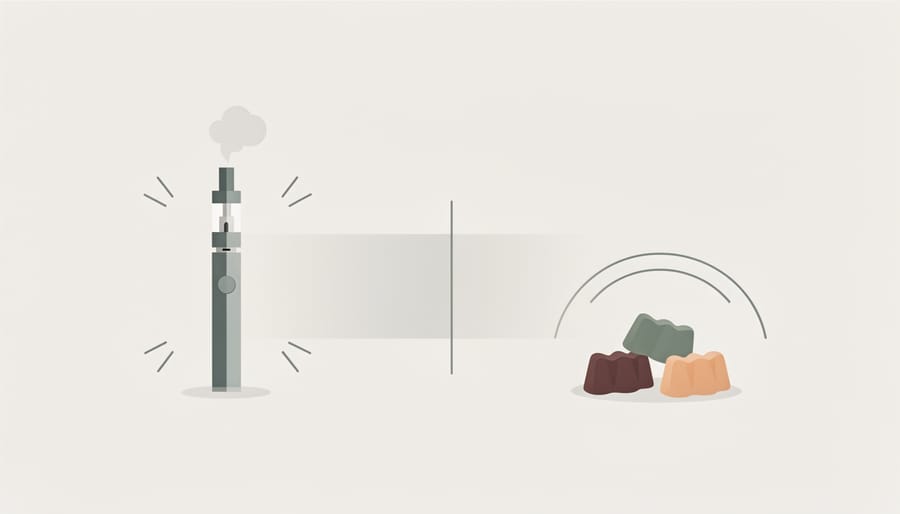
Many vapers share a common thread with hemp-derived THC gummy consumers: both groups actively seek alternatives to traditional smoking. The vaping community has long prioritized education, device safety, and informed choices, values that translate naturally to exploring edible cannabis options. As vapers become more experienced with cannabinoids through THC vaping basics some discover that gummies offer distinct advantages for specific situations.
The consumption experience differs significantly. Vaping THC delivers effects within minutes but typically lasts two to three hours, while gummies take 45 minutes to two hours to kick in yet can provide effects lasting six to eight hours. For someone who values quick onset and precise control, vaping remains ideal. For extended relief or situations where discreet consumption matters, gummies fill a different role. Many users keep both options available, choosing based on their immediate needs.
This crossover highlights why education matters in both communities. Understanding onset times, potency differences, and proper dosing prevents disappointing or overwhelming experiences. The same harm-reduction principles that guide responsible vaping, starting low, researching products, verifying quality through third-party testing, apply equally to hemp-derived THC gummies. Both represent conscious choices to explore cannabis in ways that align with personal preferences and lifestyle needs, rather than defaulting to combustion.
Frequently Asked Questions
Are hemp-derived THC gummies legal in Canada?
The legal landscape is shifting. As of mid-2026, hemp-derived THC gummies remain available in many places, but a major federal hemp-definition change takes effect November 12, 2026, introducing a strict 0.4mg total THC limit per container, not per gummy. This will significantly impact product availability and formulations going forward.
What’s the difference between hemp-derived and marijuana-derived THC gummies?
Both contain the same delta-9 THC compound, but they come from different cannabis varieties. Hemp is federally defined by its low THC concentration, while marijuana typically contains higher levels. The source plant determines regulatory classification, though the effects of delta-9 THC itself remain consistent regardless of origin.
Can I travel across the Canadian border with hemp THC gummies?
No. It’s illegal to take any cannabis products across the Canadian border, whether entering or leaving Canada. This prohibition includes edible cannabis, cannabis extracts, cannabis topicals, and all CBD-containing products, regardless of THC content or where you purchased them.
How long do the effects of hemp THC gummies last?
Effects typically begin 30 to 90 minutes after consumption and can last anywhere from four to eight hours, depending on your metabolism, body weight, tolerance, and the gummy’s potency. Because onset is delayed compared to vaping, start with a low dose and wait at least two hours before considering more.
If you’re new to THC entirely, hemp-derived gummies can be a gentler entry point than higher-potency marijuana products, but caution still matters. Begin with the lowest available dose, ideally half a gummy if it can be split evenly, and consume it in a comfortable, safe environment where you won’t need to drive or handle important tasks. Keep in mind that edibles produce longer-lasting effects than inhaled cannabis, so patience during onset is crucial. Never combine THC with alcohol or other substances when you’re just starting out.
Regarding medication interactions, THC can affect how your body processes certain drugs, particularly blood thinners, sedatives, antidepressants, and medications metabolized by liver enzymes. If you take prescription medications regularly or have underlying health conditions, consult your healthcare provider before trying hemp-derived THC gummies. The November 2026 regulatory changes will likely mean lower-potency products become the norm, which may reduce interaction risks somewhat, but professional medical advice remains your safest starting point. Don’t rely on product packaging or online forums for guidance on drug interactions, only your doctor or pharmacist has the full picture of your health needs.
Choosing hemp-derived THC gummies responsibly comes down to understanding what you’re buying, who you’re buying from, and what’s changing in the regulatory landscape. The November 12, 2026 federal rule isn’t a distant possibility, it’s arriving in less than four months, and it will fundamentally reshape the market. Products that are legal today won’t necessarily be available tomorrow, so educating yourself now puts you in control of your decisions rather than scrambling to understand what happened after the fact.
Focus on the essentials: verify third-party lab testing, understand the difference between delta-9 THC and total THC, read labels carefully, and prioritize brands that demonstrate transparency and compliance. Don’t assume all hemp gummies are the same or that marketing claims tell the whole story. The 0.4mg total THC container limit means many current products will disappear or require reformulation, so if you’re exploring these options, do so with eyes wide open.
Remember that cannabis products, including hemp-derived THC gummies, cannot cross the Canadian border under any circumstances. Plan accordingly, and don’t rely on exceptions that don’t exist.
At Namaste Vaping, we’re committed to helping Canadian consumers navigate these changes with accurate information and a clear-eyed view of what’s ahead. Whether you’re new to THC edibles or experienced with cannabis products, informed choices lead to better experiences. Stay curious, ask questions, verify what you’re told, and prioritize your safety and legal compliance. The landscape is shifting, but knowledge remains your best tool.