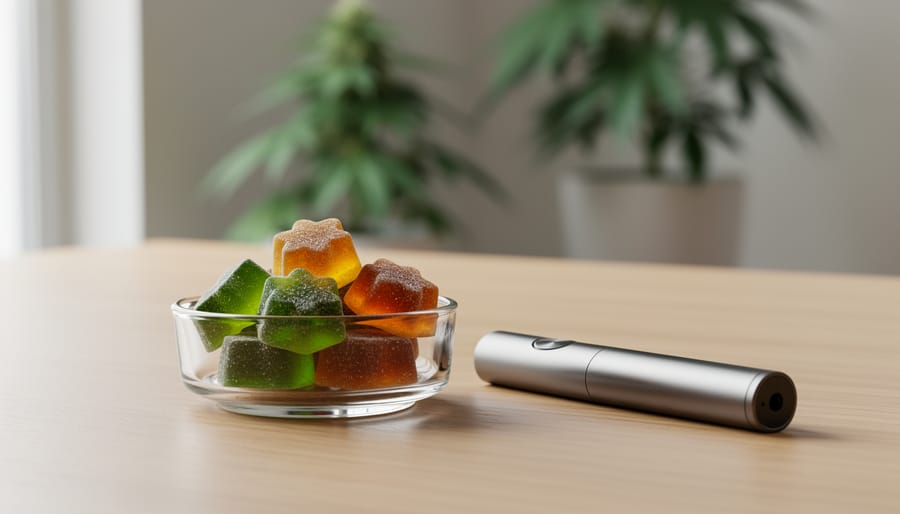
Hemp-derived THC gummies and vaping represent two fundamentally different approaches to cannabis consumption, each with distinct onset times, health implications, and user experiences. If you’re weighing these options, the core difference comes down to this: vaping delivers effects within minutes through inhalation but raises respiratory concerns, while hemp-derived THC gummies take 30 to 90 minutes to kick in through digestion but offer longer-lasting effects without lung exposure.
Canadian consumers increasingly face this choice as both methods gain mainstream acceptance in 2026. The decision isn’t about which method is universally better. It’s about understanding how each aligns with your lifestyle, health priorities, and desired outcomes.
Vaping appeals to users who want immediate control over their experience and precise dosing adjustments in real time. Gummies suit those seeking discrete, convenient consumption with predictable, extended effects. Both methods have legitimate safety considerations that deserve honest examination rather than oversimplified claims.
This guide cuts through the marketing noise to compare these consumption methods across health impact, effectiveness, cost, convenience, and practical suitability. You’ll learn what current research says about respiratory effects versus metabolic processing, how bioavailability differs between inhalation and digestion, and which situations favor one method over the other. Whether you’re exploring alternatives to your current routine or choosing a first method, understanding both options helps you make an informed decision based on evidence rather than assumptions.
Understanding Hemp-Derived THC Gummies: The Basics
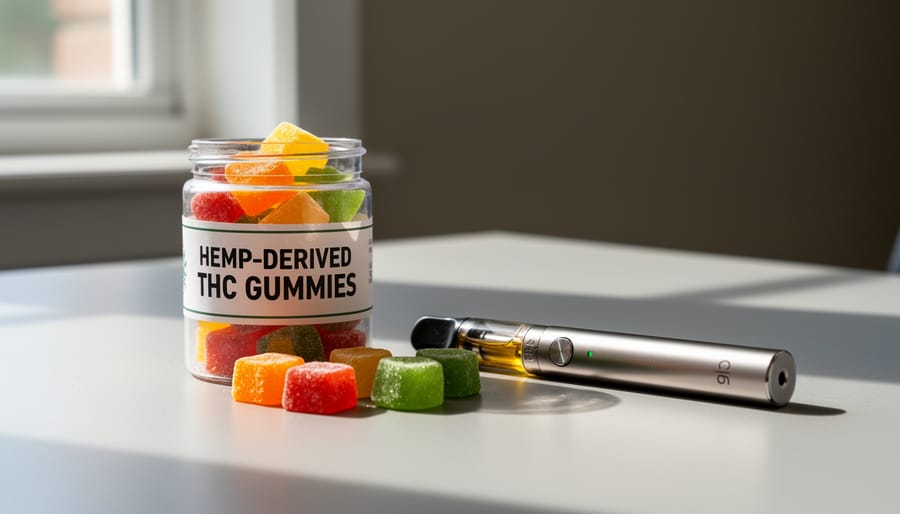
Hemp-derived THC gummies are edible products infused with tetrahydrocannabinol extracted specifically from hemp plants containing 0.3% THC or less by dry weight. Unlike CBD edibles that focus on non-intoxicating cannabidiol, these gummies deliver the psychoactive effects of THC while staying within legal hemp parameters. The key distinction lies in the source plant and the extraction process used to concentrate specific cannabinoids into a consumable form.
The difference between hemp-derived and marijuana-derived THC products comes down to plant classification and legal status rather than chemical composition. THC is THC regardless of source, but Canadian law distinguishes between cannabis (marijuana) products regulated through provincial systems and hemp products that fall under different federal regulations. Hemp-derived products must meet strict THC concentration limits, while marijuana-derived products face different licensing and distribution requirements through authorized retailers.
In Canada, the legal landscape for hemp-derived THC gummies exists in a complex space. The Cannabis Act governs all THC products, but enforcement and retail channels differ based on derivation and concentration. Industrial hemp can be grown with proper licensing, and products derived from it must comply with Health Canada regulations. However, any product containing THC intended for consumption typically requires authorization through provincial cannabis frameworks, regardless of source. This creates regional variations in availability and legal interpretation across provinces.
These gummies have gained popularity as an alternative consumption method for several practical reasons. They eliminate inhalation concerns entirely, offer consistent pre-measured doses, provide discreet consumption without odour or visible vapour, and deliver longer-lasting effects compared to inhaled products. The familiar format of a gummy makes THC approachable for people hesitant about smoking or vaping. Manufacturing advances have also improved taste profiles significantly, removing the harsh cannabis flavour that deterred some users from earlier edible options.
The appeal extends beyond health considerations. Gummies fit seamlessly into daily routines, require no equipment or preparation, travel easily, and create no second-hand exposure for others nearby. For Canadians seeking THC effects without the ritual or apparatus of vaping, these edibles represent a straightforward solution that aligns with how many people already consume vitamins or supplements.
How THC Gummies Work Differently Than Vaping
When you eat a THC gummy, your body processes it completely differently than when you vape. This isn’t just a minor detail, it fundamentally changes your entire experience, from how quickly you feel effects to how long they last.
| Method | Onset Time | Duration | Intensity Control | Experience Type |
|---|---|---|---|---|
| THC Gummies | 30-90 minutes | 4-8 hours | Precise per-dose | Gradual, steady |
| Vaping THC | 2-10 minutes | 1-3 hours | Variable per-puff | Immediate, peaks quickly |
The absorption route makes all the difference. When you vape THC, the cannabinoids enter your bloodstream directly through your lungs. This pulmonary absorption is fast, you’ll typically feel effects within minutes because the THC bypasses your digestive system entirely and heads straight to your brain.
Gummies take a scenic route. After you swallow one, it travels through your stomach and into your small intestine, where the THC gets absorbed into your bloodstream. From there, it passes through your liver before reaching your brain. This digestive process explains why you’re waiting 30 to 90 minutes to feel anything. Your liver also converts delta-9 THC into 11-hydroxy-THC, a metabolite that’s actually more potent and crosses the blood-brain barrier more efficiently.
That liver conversion creates a noticeably different high. Most users describe the edible experience as more full-body, sedating, and intense compared to the head-focused effects of vaping. It’s also why edibles have earned their reputation for being unpredictable, if you’ve eaten recently, your metabolism that day, even your body composition all influence how that gummy hits you.
Duration swings dramatically between methods. Vaping gives you a shorter window, effects typically fade within one to three hours. Gummies commit you to a longer experience, often lasting four to eight hours. For someone wanting sustained relief from discomfort or sleep support, that’s a benefit. For a first-timer who took too much, it’s a long afternoon.
Intensity control works oppositely too. With gummies, you know exactly how many milligrams you’re taking. Each piece is manufactured to contain a specific dose. Vaping is inherently variable, the length of your inhale, the temperature setting, the THC concentration in your cartridge, and how deeply you breathe all change how much you actually absorb. You can microdose more easily with a vape, but measuring that dose precisely is guesswork.
The Health and Safety Considerations
Respiratory Impact: Why Lungs Matter
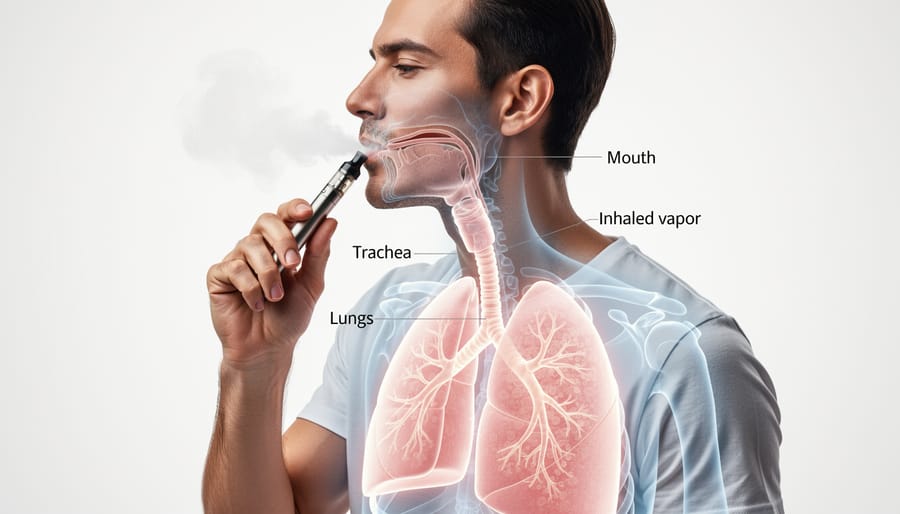
Your lungs were designed to breathe air, not inhale heated compounds. When you vape THC or any substance, you’re introducing foreign particles and chemicals into delicate lung tissue. Vaping poses respiratory risks that include inflammation, reduced lung function, and potential long-term damage. Health Canada has documented cases of vaping-related lung illness, and while THC vaping appears different from nicotine vaping in some respects, the fundamental concern remains: you’re exposing your respiratory system to substances it wasn’t meant to process.
Hemp-derived THC gummies eliminate this risk entirely. Because you’re consuming THC through digestion rather than inhalation, your lungs stay completely out of the equation. There’s no vapor, no heating elements, no chemical carriers entering your airways. For people with asthma, chronic respiratory conditions, or anyone concerned about lung health, this represents a significant advantage. The public health vaping discussion in Canada often focuses on harm reduction, and choosing edibles over inhalation methods is one of the clearest examples of reducing potential respiratory harm. If preserving lung function matters to you, or if you simply want to avoid introducing any risk to your respiratory system, gummies offer a straightforward alternative that keeps THC effects where they belong: in your bloodstream, not your lungs.
Dosing Accuracy and Predictability
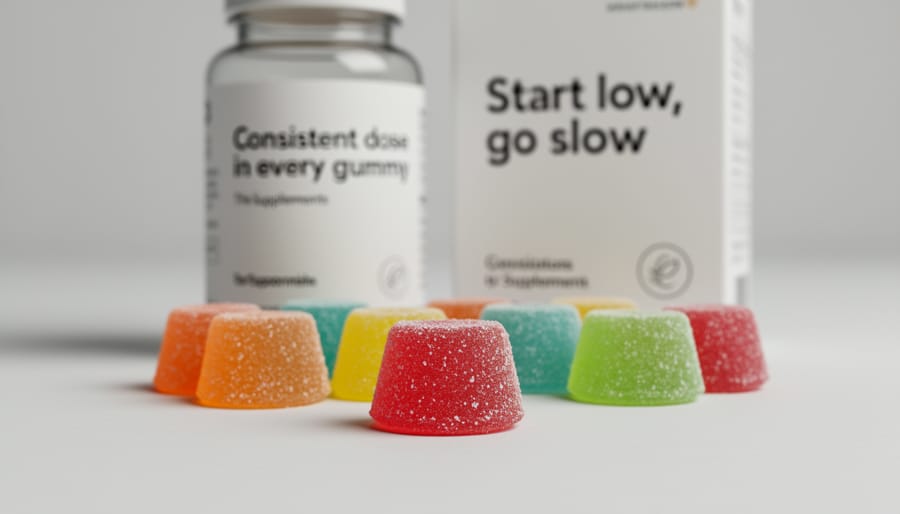
One of the most significant advantages of hemp-derived THC gummies over vaping is the precision of dosing. Each gummy contains a specific, pre-measured amount of THC, typically ranging from 2.5mg to 10mg per piece in Canadian products, which means you know exactly how much you’re consuming before you even open the package. This consistency is particularly valuable for vaping for beginners who are transitioning to edibles or anyone seeking predictable effects.
In contrast, vaping presents several dosing variables that make accurate consumption difficult. The amount of THC you inhale depends on draw strength, inhalation duration, device temperature, and even how much product remains in the cartridge. Two puffs from the same vape pen can deliver different THC amounts depending on these factors, making it challenging to replicate desired effects consistently.
This predictability particularly benefits users managing specific conditions or seeking consistent therapeutic effects. With gummies, you can track your ideal dose precisely and repeat it reliably. If 5mg provides the right effect, you can confidently consume the same amount each time and expect similar results.
The controlled dosing also reduces the risk of accidental overconsumption. While it’s easy to take one too many puffs from a vape pen without realizing it, the discrete nature of gummies forces you to make conscious decisions about each dose. This built-in pause between consumption and effect encourages more mindful use and helps users develop a better understanding of their tolerance and preferences over time.
Who Should Consider Gummies Over Vaping?
Hemp-derived THC gummies aren’t for everyone, but certain groups find them particularly well-suited to their needs and circumstances.
People with respiratory concerns top the list. If you have asthma, chronic bronchitis, or any lung sensitivity, edibles eliminate inhalation risks entirely. Anyone who’s experienced throat irritation or breathing discomfort from vaping will appreciate this smoke-free alternative. The same applies to those around you, gummies produce no secondhand vapour, making them considerate for shared living spaces.
Cannabis newcomers often fare better with edibles because of the precise, predictable dosing. A 5mg gummy is exactly 5mg every time, removing the guesswork that comes with vaping. You can start low, see how you respond over a few hours, and adjust from there without the learning curve of device settings and inhalation techniques. This controlled approach reduces the anxiety many first-timers feel.
Professionals and discreet users benefit from gummies’ complete lack of odour and visibility. Pop one before leaving home, and nobody’s the wiser during your day. There’s no device to charge, no cloud of vapour, no distinctive smell. For those in public-facing roles or living situations where discretion matters, this simplicity is invaluable.
Long-duration relief seekers appreciate that edibles last four to eight hours compared to vaping’s one to three. If you’re managing chronic discomfort or sleep issues, taking a gummy before bed means waking up refreshed rather than re-dosing at 2 a.m. This extended effect suits anyone seeking sustained relief without frequent administration.
Users managing CBD tiredness or specific conditions find the slower, gentler onset helps avoid the intensity spikes that vaping can produce. The gradual climb and plateau feel more natural for therapeutic applications where consistency matters more than rapid effects.
Finally, anyone who simply dislikes the ritual of vaping, filling tanks, maintaining devices, dealing with batteries, will find gummies refreshingly straightforward.
When Vaping Might Still Be Your Best Option
Vaping THC products maintains distinct advantages that make it the preferred choice for specific situations and user needs. Understanding when vaping outperforms edibles helps you select the right method for your circumstances.
Immediate Effect Requirements
When you need fast-acting relief, vaping delivers results within minutes compared to the 30-90 minute onset time for gummies. This rapid response proves essential for managing acute symptoms like sudden anxiety, breakthrough pain, or nausea. Medical users who require quick intervention often find vaping indispensable for this reason alone.
Precise Dose Control
Vaping allows real-time adjustments that edibles cannot match. You can take a single puff, wait a few minutes to assess effects, then decide whether you need more. This micro-dosing flexibility lets you fine-tune your experience throughout the day without committing to a fixed dose. For users seeking minimal psychoactive effects while maintaining functionality, this control is invaluable.
Shorter Duration Preferences
The 2-4 hour duration of vaped THC suits situations where extended effects would be inconvenient. Users with unpredictable schedules, those who want effects limited to specific activities, or anyone concerned about prolonged impairment often prefer vaping’s shorter window.
Situational Flexibility
Vaping offers portability and discretion that gummies sometimes lack. A quick session takes moments, while edibles require planning around meal timing and metabolism factors. For users who need on-demand relief during travel, social situations, or time-sensitive activities, vaping provides practical advantages.
Both methods serve legitimate purposes. The key is matching your consumption method to your specific needs, timeline, and lifestyle requirements rather than viewing one as universally superior.
What to Look for in Quality Hemp-Derived THC Gummies
Shopping for hemp-derived THC gummies in Canada requires more diligence than picking up a pack of regular candy. The quality varies dramatically between brands, and what you choose directly impacts your experience and safety.
Start with third-party lab testing. Legitimate manufacturers test their products through independent laboratories and make those certificates of analysis (COAs) readily available, either on product pages or through QR codes on packaging. These reports verify the actual THC content, confirm the absence of heavy metals and pesticides, and check for microbial contaminants. If a brand makes lab results difficult to find or doesn’t offer them at all, move on.
Check the source of the hemp. Reputable Canadian manufacturers disclose where they source their hemp and how it’s grown. Look for products made from organically cultivated hemp, preferably grown in Canada or regions with strict agricultural standards. Hemp is a bioaccumulator, meaning it absorbs whatever is in the soil, including toxins, so clean growing practices matter.
Read the full ingredient list carefully. Quality gummies contain recognizable ingredients: fruit extracts, natural flavours, organic sweeteners. Be wary of products loaded with artificial colours, high-fructose corn syrup, or unidentifiable chemical additives. Simpler ingredient lists often indicate better manufacturing practices.
Pay attention to THC content per gummy and total package amount. Products should clearly state milligrams of THC per piece. For beginners, gummies with 2.5 to 5 mg per piece offer easier control. Experienced users might prefer 10 mg options. Vague labelling like “extra strength” without specific numbers is a red flag.
Packaging quality signals manufacturing standards. Professional, child-resistant packaging with clear labelling, batch numbers, and expiration dates suggests a company that takes compliance and safety seriously. Flimsy bags with minimal information often indicate corner-cutting elsewhere in production.
Finally, research the brand’s reputation. Look for companies with established track records, responsive customer service, and transparent business practices. Read reviews from multiple sources, but be cautious of obviously fake testimonials. Canadian brands that specialize in cannabis products and demonstrate industry knowledge generally produce more reliable offerings than companies treating hemp gummies as a side venture.
Price reflects quality to a point. Extremely cheap gummies usually compromise somewhere, whether in sourcing, testing, or potency accuracy. However, the most expensive option isn’t automatically the best. Mid-range products from reputable manufacturers often provide the best value.
Common Misconceptions About Edibles vs. Vaping

One of the biggest myths is that edibles are somehow more dangerous than vaping simply because the effects last longer. The reality is that duration doesn’t equal danger, it just means users need to plan accordingly and start with appropriate doses. While it’s true that consuming too much can lead to uncomfortable experiences, these are temporary and not medically dangerous for healthy adults. The key difference is that with gummies, you’re less likely to inadvertently overconsume because each piece has a fixed dose, whereas vaping can lead to repeated use without clear tracking.
Another common misunderstanding is that vaping is always safer than smoking cannabis flower because it doesn’t involve combustion. While vaping does eliminate many combustion-related toxins, it’s not risk-free. The quality of the vape product matters enormously, contaminated cartridges or devices can introduce their own health risks. This is why choosing lab-tested brands is crucial regardless of which method you prefer.
Are edibles more dangerous than vaping?
No, edibles aren’t inherently more dangerous. They simply work differently, with delayed onset and longer duration that requires patience and careful dosing.
Can you overdose on THC gummies?
You cannot fatally overdose on THC from gummies. However, consuming too much can cause intense discomfort, anxiety, and impairment that may last several hours.
Do gummies take too long to work to be practical?
The 30-90 minute onset isn’t a drawback for everyone. Many users appreciate the longer-lasting, predictable effects that fit better into their schedules than frequent vaping sessions.
Some people believe that because gummies feel less “immediate,” they’re less potent or effective. That’s backwards thinking. The delayed onset doesn’t reflect lower potency, it reflects a different metabolic pathway. When THC is processed through your digestive system, it’s actually converted into a more potent compound that produces stronger, more body-centred effects. This is why experienced users often find edibles more intense than vaping equivalent doses.
Choosing between hemp-derived THC gummies and vaping isn’t about picking a universal winner, it’s about understanding which method aligns with your lifestyle, health priorities, and consumption goals. Both options have carved out legitimate spaces in the Canadian cannabis landscape for good reasons.
Gummies offer precise dosing, longer-lasting effects, and complete elimination of respiratory concerns. They’re discreet, portable, and ideal for users who value predictability over immediate onset. For anyone with lung sensitivities or those seeking sustained relief throughout the day, edibles provide a compelling alternative that prioritizes safety without sacrificing effectiveness.
Vaping delivers rapid onset, flexible dosing control, and no digestive processing. For users who need quick relief or prefer to fine-tune their experience in real-time, it remains a practical choice when approached responsibly with quality products.
What matters most is making an informed decision based on accurate information rather than marketing hype or misconceptions. Consider your health status, lifestyle demands, and what you’re hoping to achieve. If you have respiratory concerns, edibles make obvious sense. If you need fast-acting effects, vaping might serve you better.
Regardless of your choice, quality and safety should never be negotiable. Source products from reputable Canadian suppliers, look for third-party lab testing, and start with conservative doses until you understand how your body responds. The best consumption method is the one that works safely and effectively for your unique circumstances.