CBD’s relationship with tiredness isn’t straightforward. Whether you experience drowsiness depends on several factors: dosage, product type, individual body chemistry, and timing of consumption. Some users report feeling relaxed yet alert, while others find themselves ready for a nap within an hour.
The confusion makes sense. CBD interacts with your endocannabinoid system, which regulates sleep-wake cycles, mood, and energy levels. At lower doses (typically under 25mg), many people experience calm focus without sedation. Push beyond 50-75mg, and the drowsiness becomes more pronounced for most users. But these aren’t universal thresholds. Your weight, metabolism, and tolerance all shift where that line falls.
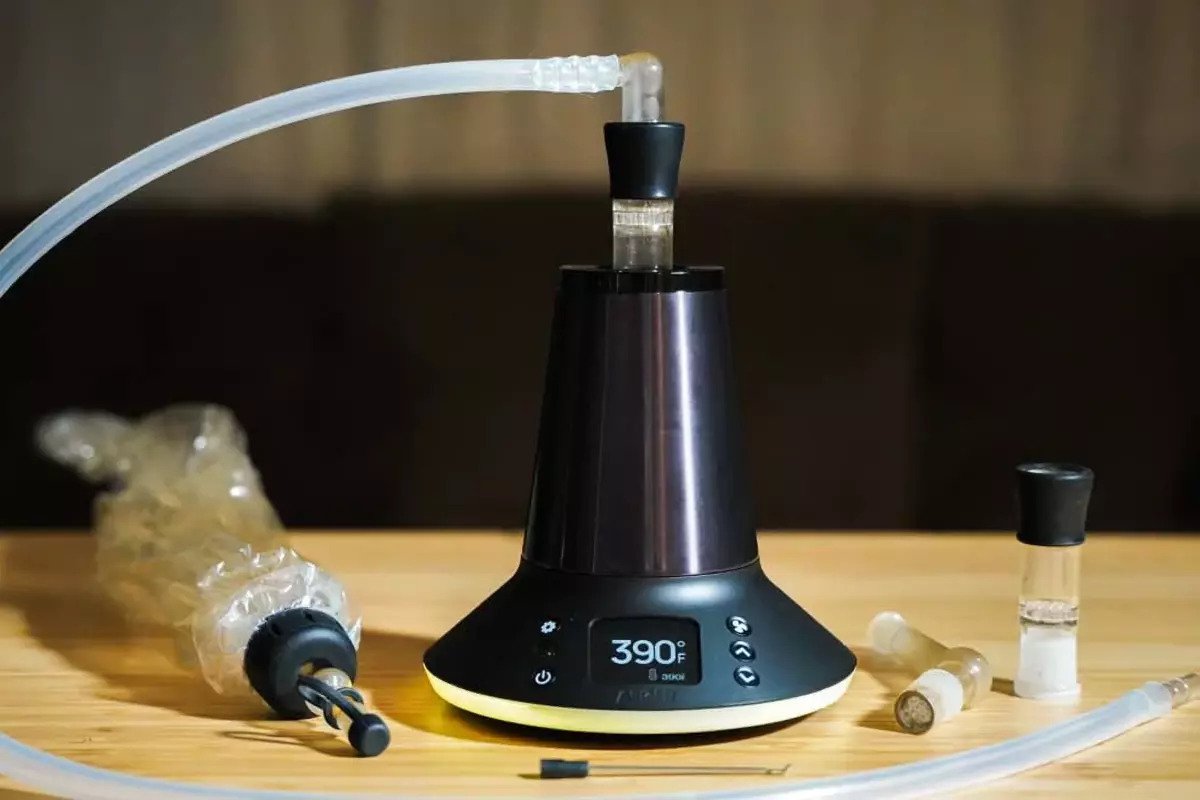
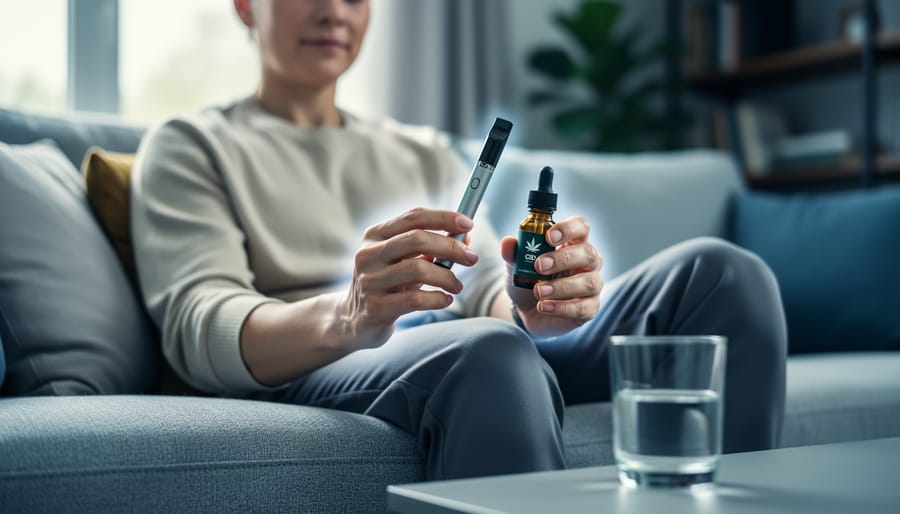
Product format matters too. Vaping CBD delivers faster effects but they’re shorter-lived compared to oils or edibles. If you’re using a CBD vape cartridge in the afternoon and feeling unexpectedly tired, you might be hitting higher concentrations than intended. Full-spectrum products containing trace THC and other cannabinoids can amplify sedative effects, while CBD isolates tend to produce milder responses.
For Canadians navigating the regulated cannabis market in 2026, understanding these variables helps you choose products that match your goals. Whether you’re seeking daytime stress relief without the fog or looking to improve sleep quality, knowing how CBD affects your energy levels lets you dose strategically. The answer to “does CBD make you tired” ultimately comes down to how you use it.
The Short Answer: Can CBD Actually Make You Tired?
Yes, CBD can make you tired, but it’s not a guarantee and the effect varies considerably from person to person. The reality is that CBD produces a calming effect rather than outright sedation in most users, especially at typical doses. Think of it as taking the edge off rather than knocking you out.
The key distinction is between feeling relaxed and feeling drowsy. Many Canadian users report that CBD helps them feel more balanced and less anxious without making them want to nap. However, at higher doses (particularly above 500mg per day), drowsiness becomes much more likely as a side effect.
Research shows that tiredness and drowsiness are among the most commonly reported effects of CBD, but they’re typically mild. According to Health Canada’s guidance for healthcare professionals, documented adverse effects of cannabis-derived compounds include drowsiness and fatigue, though these are generally not severe. The Mayo Clinic similarly lists drowsiness and fatigue as recognized side effects of CBD.
What matters most is context. If you’re taking a moderate dose of CBD during the day, you’ll probably experience gentle relaxation rather than significant tiredness. But if you’re using a high-dose product in the evening, you might notice more pronounced drowsiness, which could actually be what you’re looking for.
The bottom line? CBD can cause tiredness, but it’s dose-dependent, timing-dependent, and highly individual. Most users at reasonable doses won’t feel knocked out, just calmer.

How CBD Interacts With Your Body’s Energy Levels
Your body has a built-in regulatory system called the endocannabinoid system that influences everything from mood and pain perception to sleep patterns and immune response. CBD works by interacting with this system, but not in the way most people assume.
Unlike THC, CBD doesn’t directly bind to your body’s cannabinoid receptors. Instead, it influences them indirectly, helping to modulate how your system responds to stress and maintains balance. This indirect approach is why CBD’s effects feel different from the “high” associated with THC. When CBD interacts with your endocannabinoid system, it can reduce the activity of stress signals, slow down the breakdown of your body’s natural calming compounds, and promote a sense of equilibrium.
This balancing act is where the confusion about tiredness comes in. CBD’s calming effect isn’t the same as sedation. Think of it this way: if your nervous system is running at an 8 out of 10 due to stress or tension, CBD might bring you down to a 5, which feels like relaxation. You’re not necessarily drowsy, you’re just less keyed up. Your muscles might loosen, racing thoughts might slow, and that constant hum of background anxiety might quiet down.
However, for some users, particularly those taking higher doses or using CBD when already fatigued, this calming effect can tip into actual drowsiness. The line between relaxation and tiredness is individual and dose-dependent. Your baseline energy level matters too. Someone who’s already sleep-deprived or dealing with chronic stress might experience CBD’s calming properties as the final push toward feeling genuinely tired, while someone well-rested might simply feel more at ease without any change in alertness.
The Role of Dosage: When CBD Shifts From Calming to Drowsy
The difference between a gentle calm and genuine drowsiness often comes down to how much CBD you’re actually taking. Most Canadian users working with moderate amounts won’t experience significant tiredness, but crossing certain thresholds changes the equation entirely.
Typical CBD doses range from 10mg to 100mg per day depending on what you’re trying to achieve. At these levels, most people report feeling more relaxed or experiencing reduced anxiety without any notable drowsiness. The calming effect stays distinct from actual sleepiness, similar to how you might feel after a good yoga session rather than genuinely tired.
The picture shifts when doses climb significantly higher. Research shows that extremely high amounts, specifically over 500mg/day causes drowsiness along with other side effects including fatigue and severe sleepiness. That’s roughly five to ten times what most recreational or wellness users typically take.
| Dosage Level | Daily Amount | Typical Effects | Tiredness Likelihood |
|---|---|---|---|
| Low | 10-25mg | Mild relaxation, subtle mood improvement | Minimal to none |
| Moderate | 25-100mg | Noticeable calm, anxiety reduction | Low (individual variation) |
| High | 100-300mg | Strong relaxation, possible mild drowsiness | Moderate (timing dependent) |
| Very High | 500mg+ | Pronounced sedation, fatigue | High probability |
Understanding where your dose falls on this spectrum matters for planning your day. If you’re vaping 25mg of CBD in the morning, tiredness probably isn’t your concern. But someone taking 150mg might notice more pronounced relaxation that borders on drowsiness, particularly if they’re new to CBD or sensitive to its effects.
The key takeaway for Canadian users is that moderate, responsible dosing rarely produces the kind of tiredness that interferes with daily activities. Problems emerge when people dramatically exceed recommended amounts or fail to account for their individual sensitivity. Starting low and adjusting gradually gives you control over whether CBD helps you relax or actually makes you want a nap.
Common Side Effects: What Canadian Health Authorities Say
Health Canada provides clear guidance on what users can expect when taking CBD products. According to official regulatory documents, Health Canada lists fatigue and drowsiness as frequent adverse effects, alongside other mild side effects that users should be aware of before starting CBD.
The most commonly reported side effects include dry mouth, which many users notice regardless of their delivery method. Dizziness can occur, particularly when standing up quickly or during the first few uses as your body adjusts to CBD. Some people experience changes in appetite, though these effects vary widely between individuals.
Cognitive effects represent another category worth understanding. You might notice slight changes in concentration or mental clarity, especially when you first start using CBD or adjust your dosage. These effects typically remain mild and often diminish as your body becomes accustomed to regular use.
Drowsiness and fatigue sit at the top of the list for Canadians concerned about energy levels. These effects tend to be dose-dependent, meaning they become more noticeable at higher doses. At extremely high amounts, over 500mg per day, CBD can produce more significant negative effects including severe drowsiness, along with gastrointestinal issues like diarrhea and nausea.
The good news is that most users experience only mild side effects, if any. Canadian health authorities emphasize that serious adverse reactions remain rare when CBD is used responsibly. The key lies in starting with lower doses and paying attention to how your body responds. If you notice persistent tiredness or other concerning effects, adjusting your dosage or timing often resolves the issue without needing to discontinue use entirely.
Who’s Most Likely to Feel Tired From CBD?
Not everyone experiences tiredness from CBD the same way. Your individual response depends on several factors that range from your body’s natural chemistry to how you’re using the product.
First-time users tend to notice more pronounced effects, including tiredness. If you’ve never used CBD before, your endocannabinoid system hasn’t adapted to external cannabinoids yet. Starting with lower doses and using CBD in the evening can help you gauge your personal response without affecting daytime activities.
Your body weight and metabolism play significant roles too. People with lower body weight may feel stronger effects from the same dose compared to someone larger. Faster metabolisms process CBD more quickly, which can mean shorter-lived tiredness, while slower metabolisms may extend the calming window.
Timing matters considerably. Taking CBD on an empty stomach typically produces faster, sometimes more intense effects that can include drowsiness. Using it after a meal slows absorption and may reduce tiredness. Similarly, taking CBD late in the day when you’re already naturally winding down can amplify feelings of fatigue.
Concurrent medications create another variable. CBD can interact with certain drugs, particularly those that carry a grapefruit warning. If you’re taking sedatives, antidepressants, or blood thinners, CBD might intensify drowsiness or other side effects. Always discuss CBD use with your healthcare provider if you’re on any medication.
Your reason for using CBD also shapes your experience. Someone using it specifically to manage anxiety-related restlessness might interpret the calming effect as beneficial relaxation, while someone hoping to stay alert during work might find the same effect problematic.
Experienced CBD users often report developing tolerance to initial tiredness. After regular use over several weeks, many find they can take their usual dose without the drowsiness they felt initially.
CBD Product Types and Their Impact on Energy
Vaping CBD: Faster Onset, Shorter Duration
Vaping CBD produces effects within 5 to 10 minutes, making it the fastest delivery method available. This rapid onset happens because the compound enters your bloodstream directly through your lungs, bypassing your digestive system entirely. If you’re new to this approach, check out our vaping for beginners guide to understand the basics before starting.
The trade-off for this quick onset is shorter duration. Vaped CBD typically remains active for 2 to 3 hours compared to 4 to 6 hours for edibles or oils. This means any calming effects or tiredness fade faster, giving you more control over timing. If drowsiness sets in, it won’t last as long as it would with other methods.
For Canadian users, this faster processing makes vaping ideal for situational use when you need quick relaxation without extended grogginess. Whether you prefer a simple 510 vape battery or specialty devices like the DynaVap Bonger the shorter active window lets you plan your day more predictably around CBD use.
Oils and Edibles: Delayed But Longer-Lasting Effects
When you consume CBD through oils, tinctures, or CBD edibles the effects take considerably longer to appear compared to vaping. These oral products must pass through your digestive system and liver before entering your bloodstream, which delays the onset but creates a more gradual, sustained experience.
This extended processing time means the calming or tiredness effects build more slowly and last significantly longer. While vaped CBD might wear off within a couple of hours, oils and edibles can continue affecting you for four to six hours or even longer. The longer duration makes these products better suited for evening use or situations where you want consistent effects throughout the day.
The trade-off is predictability. Because digestion varies based on what you’ve eaten and your metabolism, the timing and intensity of tiredness can be less consistent than with vaping. Some users find oils taken under the tongue offer a middle ground, absorbing partially through mouth tissues for slightly faster onset than edibles while still providing extended effects. This makes them popular among Canadians who want sustained relaxation without the commitment of a full digestive cycle.
Practical Tips to Avoid Unwanted Tiredness
If you want CBD’s calming benefits without feeling drowsy, a few strategic adjustments can make all the difference. Most tiredness issues stem from taking too much at the wrong time or choosing a product that doesn’t match your goals.
Start by evaluating your current dose. If you’re experiencing unwanted fatigue, try cutting your amount by 30-40% and observe how you feel over a few days. Many users find that lower doses provide stress relief and focus without any heaviness. Remember that doses exceeding 500mg per day significantly increase the risk of drowsiness and fatigue, so staying well below that threshold keeps most people alert.
Timing matters more than many Canadian users realize. Taking CBD early in the day, ideally with breakfast or mid-morning, gives your body time to process it before evening activities. Save higher doses for nighttime if you’re using CBD specifically for sleep support.
Product selection plays a crucial role. Vaping CBD offers faster onset but shorter duration, which means effects process through your system more quickly than oils or edibles. If daytime tiredness is an issue, consider switching from long-lasting edibles to a vape product that you can use as needed without lingering drowsiness.
- Start with a low dose (10-20mg) and increase gradually only if needed, rather than beginning with high amounts.
- Use CBD at consistent times each day so you can predict how it affects your energy levels and adjust accordingly.
- Pair CBD with caffeine or light physical activity if you need alertness, counterbalancing any mild sedative effects.
- Avoid mixing CBD with alcohol, antihistamines, or other substances that promote drowsiness on their own.
- Keep a simple log for the first week noting dose, timing, and energy levels to identify your personal sweet spot.
If you’re using CBD for anxiety or stress management during work hours, stick to moderate doses (25-50mg) and choose products from reputable Canadian retailers that provide clear potency information. This transparency lets you control your intake precisely.
Consider splitting your daily amount into smaller doses throughout the day rather than taking it all at once. Two 15mg doses spaced several hours apart often provide sustained calm without the fatigue that can come from a single 30mg dose.
When tiredness does occur, it typically signals that your dose is too high for daytime use. That same amount might work perfectly as an evening dose if better sleep is also a goal. Many experienced users keep two different strengths on hand for different times of day.
When Tiredness Might Actually Be a Benefit
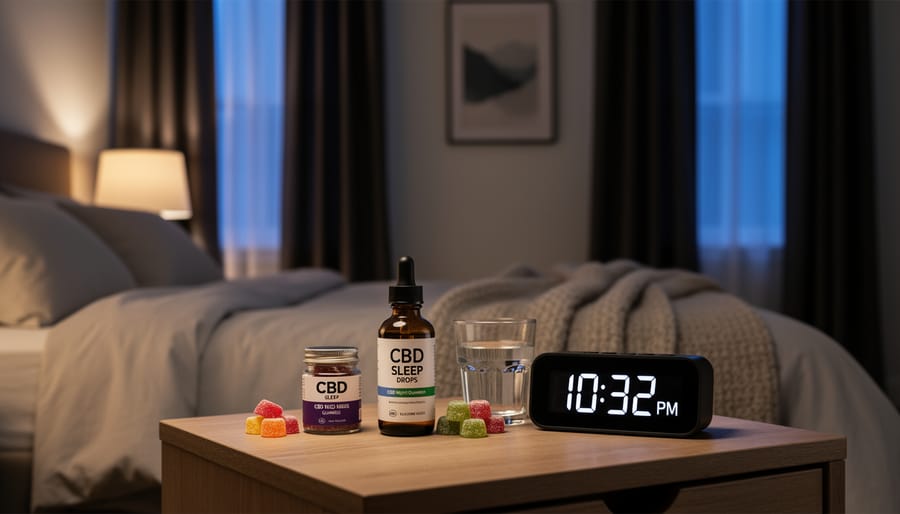
For anyone struggling to fall asleep or lying awake with racing thoughts, CBD’s calming properties can be exactly what you need. The same drowsiness that catches daytime users off guard becomes a genuine advantage when you’re deliberately trying to wind down for the night.
Many Canadian users report that CBD helps quiet the mental chatter that keeps them staring at the ceiling. Rather than viewing tiredness as an unwanted side effect, they’re intentionally using CBD products 30 to 60 minutes before bed to encourage natural sleep. This approach aligns with broader conversations around public health & vaping by offering an alternative to traditional sleep aids or alcohol for relaxation.
If anxiety-related restlessness disrupts your sleep, CBD’s calming effect can help break that cycle without the grogginess associated with some pharmaceutical sleep medications. Users often find they wake feeling more refreshed compared to other sleep aids.
The key is timing and intention. Taking CBD earlier in the evening allows the effects to build gradually, supporting your natural sleep cycle rather than knocking you out suddenly. This makes it particularly useful for people whose minds stay active long after their bodies are ready for rest.
If you’ve been concerned about CBD making you tired during the day, consider reframing that effect as a nighttime tool instead. What’s inconvenient at 2 p.m. becomes helpful at 10 p.m., letting you harness CBD’s properties to match your actual needs.
Safety Considerations for Canadian CBD Users
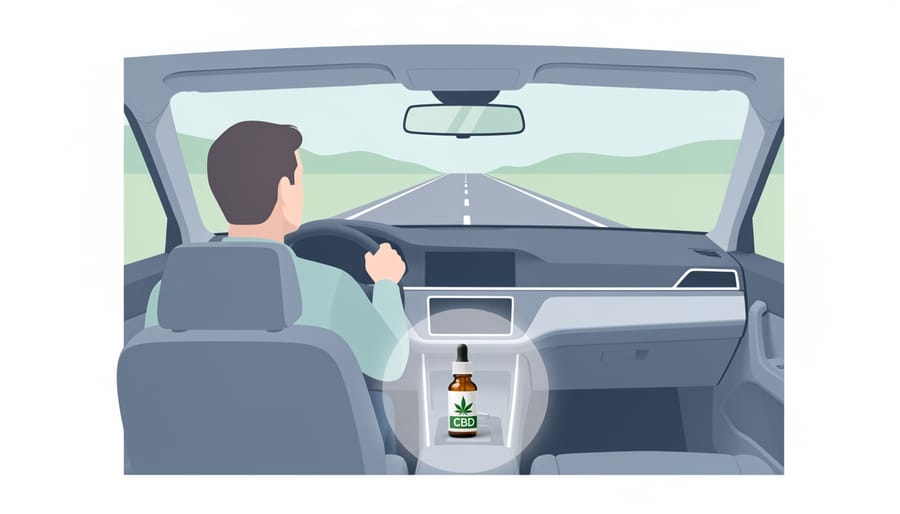
Health Canada and international regulators emphasize that CBD can affect your ability to perform tasks requiring full attention. While most users experience mild calming effects, the drowsiness or somnolence impairs alertness in ways that matter when you’re behind the wheel or operating equipment. The risk increases with higher doses, particularly over 500mg per day.
If you’re new to CBD or trying a higher dose, don’t drive until you know how it affects you. Start on a day when you can stay home and gauge your response. Some people feel no tiredness at moderate doses, while others notice significant drowsiness at much lower amounts.
Canadian cannabis product monographs explicitly state that CBD formulations may impair judgment and performance of skilled tasks. This applies to vaping CBD just as it does to oils, edibles, or capsules. The faster onset from vaping means effects appear within minutes, so you’ll know quickly whether you’re experiencing tiredness, but don’t assume you’re fine to drive just because the initial effect feels mild.
Timing matters too. If you use CBD in the evening specifically for sleep, make sure you’re done with any activities requiring coordination. Morning or midday users who notice drowsiness should adjust their schedule or reduce their dose. The goal is finding a routine that gives you CBD’s benefits without compromising your safety or the safety of others around you. Track your response honestly and adjust accordingly.
The relationship between CBD and tiredness isn’t a simple yes or no answer. For most Canadian users, CBD produces a calming effect rather than outright drowsiness, especially at moderate doses. The key lies in understanding your own response, choosing the right dosage, and timing your use based on what you’re trying to achieve.
If you’re using CBD during the day and want to avoid feeling sluggish, start with lower doses and pay attention to how your body responds. Vaping CBD gives you more control because effects come on quickly, letting you adjust as needed. On the other hand, if restful sleep is your goal, that same calming quality becomes an advantage rather than a drawback.
Quality matters significantly when managing CBD’s effects. Reputable Canadian retailers provide products with accurate CBD content and lab testing, which means you can fine-tune your experience with confidence. Knowing exactly what you’re consuming helps you dial in the dose that works for your schedule and needs.
Ultimately, CBD’s impact on your energy levels is highly individual. Some people feel no tiredness at all, while others notice mild drowsiness at doses well below 500mg per day. The best approach is to experiment responsibly, adjust timing and dosage based on your response, and remember that what works for morning alertness might differ from what helps you wind down at night. With informed choices and quality products, you can harness CBD’s benefits without unwanted fatigue.