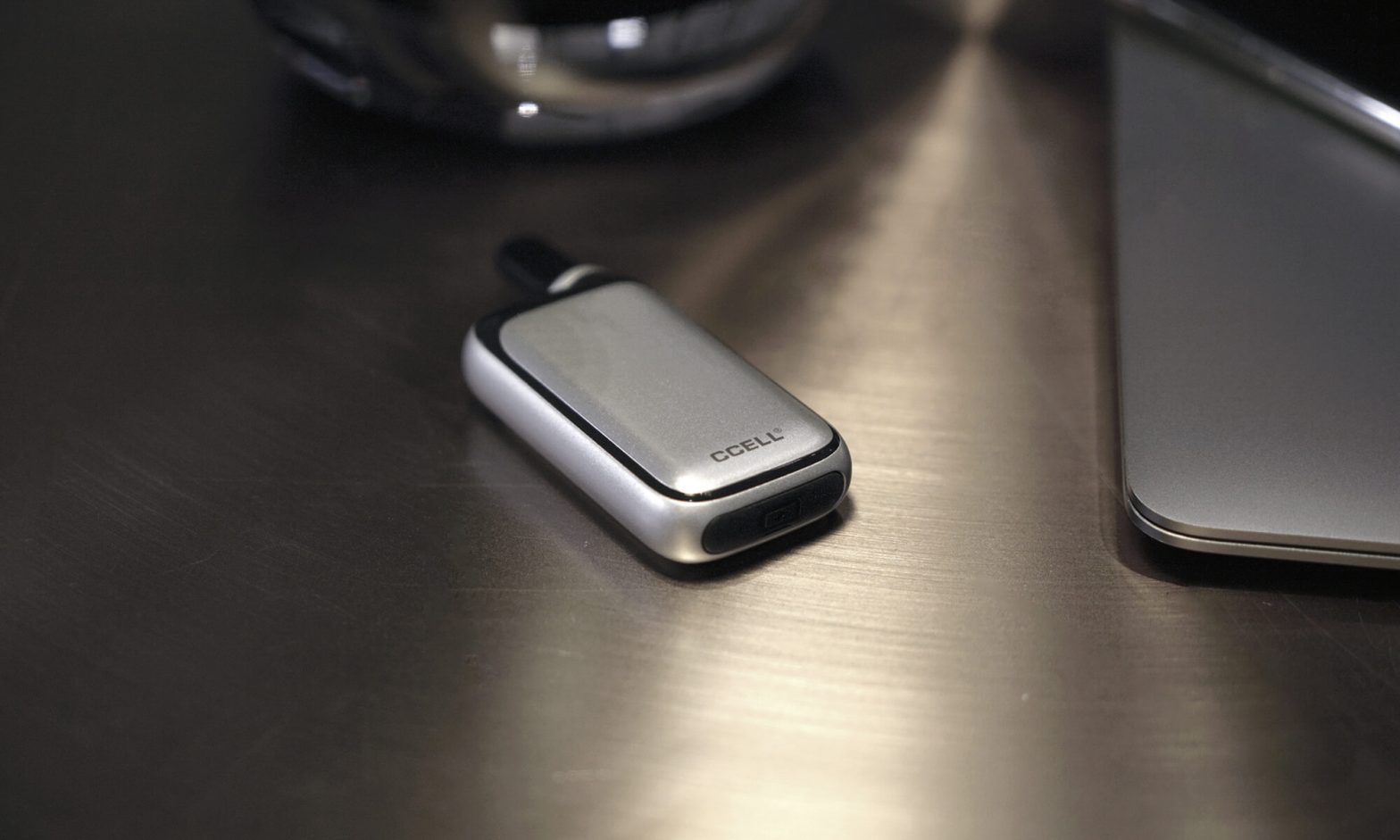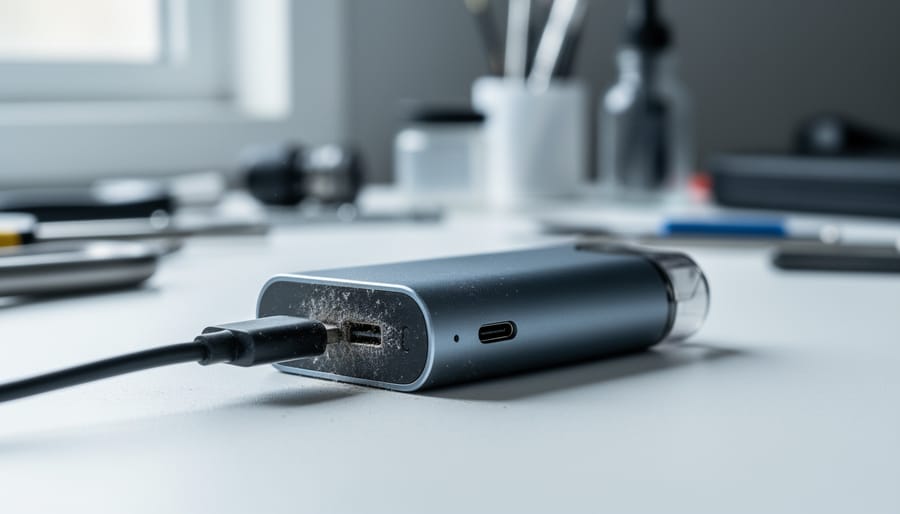
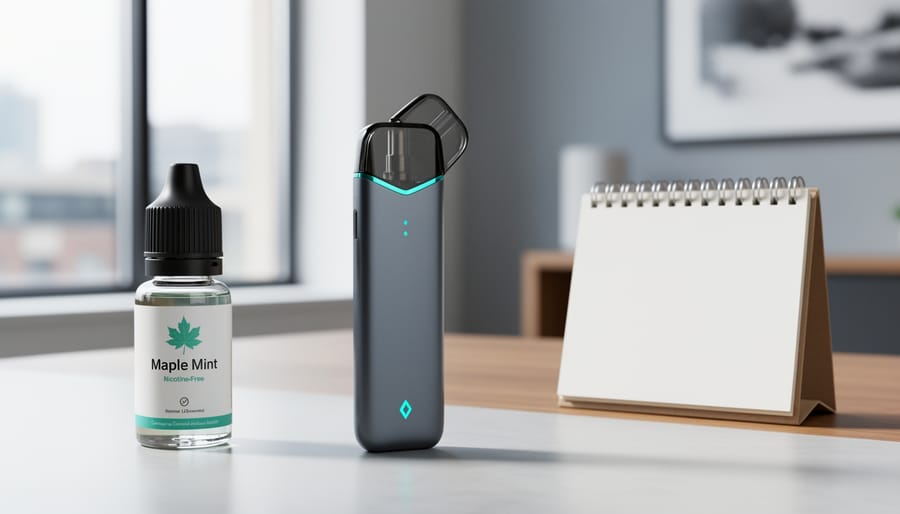
Starting your vaping journey is straightforward: choose a beginner-friendly device like a pod system or starter kit, fill it with e-liquid appropriate for your nicotine preference, and use a simple mouth-to-lung inhaling technique that mimics traditional smoking. The entire setup takes about five minutes, requires no technical expertise, and can be mastered in your first session.
The shift from smoking to vaping, or starting fresh with vaping, has become increasingly popular among Canadian adults looking for a different nicotine experience. Unlike the complexity that surrounded early vaping devices, modern equipment designed for beginners removes most barriers to entry. Today’s pod systems and all-in-one kits come pre-assembled, often with draw-activated firing that eliminates buttons entirely.
What matters most at the beginning isn’t finding the most advanced device or the perfect flavor profile. Success comes from understanding three core elements: selecting the right device type for your needs, matching your nicotine strength to your current habits, and learning proper inhalation technique. Get these fundamentals right, and you’ll avoid the frustration many newcomers face when they start with equipment that’s either too complicated or poorly suited to their expectations.
This guide walks you through everything you need to begin vaping safely and confidently, from assembling your first kit to troubleshooting common issues. Whether you’re transitioning away from cigarettes or exploring vaping for the first time, you’ll find practical, tested advice that reflects current Canadian products and regulations available in 2026. No jargon, no assumptions about prior knowledge, just clear steps that get you started properly.
What You’ll Need to Get Started

Choosing Your First Vaping Device
When you walk into a vape shop or browse online, you’ll encounter three main device types, each suited to different priorities.
Disposable vapes are the simplest option: pre-filled, pre-charged devices you use until the e-liquid or battery runs out, then discard. They require zero setup or maintenance, making them appealing for your first purchase. However, disposables cost more per puff than refillable options, create ongoing waste, and offer limited flavour variety. They work well for testing whether vaping suits you, but the cumulative expense adds up quickly if you continue.
Pod systems strike the best balance for most beginners. These compact devices use replaceable or refillable pods that click into a small battery. Refillable pod systems let you choose any e-liquid you want, while closed pod systems use pre-filled cartridges from the manufacturer. Both types are easy to operate, usually draw-activated with no buttons, and require minimal maintenance beyond charging and changing pods every week or two. Pod systems cost more upfront than disposables but save money over time, and they’re small enough to slip into a pocket. Understanding budget vape costs helps you plan for the initial investment and ongoing pod or e-liquid expenses.
Starter kits (also called all-in-one devices or AIO mods) offer more customization with adjustable power settings and larger batteries. They typically include a rechargeable mod and a refillable tank with replaceable coils. While these give you room to grow your skills, they involve more learning curve around coil changes, wattage settings, and tank maintenance.
For your first device, choose a refillable pod system. You’ll get simplicity, portability, and reasonable running costs without the learning demands of a full starter kit. Once you’re comfortable with the basics, you can explore more advanced options.
Selecting the Right E-Liquid
E-liquid choice matters more than most beginners realize. The wrong nicotine strength or blend can make your first experience harsh and unpleasant, while the right combination feels smooth and satisfying.
Start with nicotine strength. Canadian regulations cap e-liquids at 20 mg/mL, which is plenty for most users. If you smoked a pack a day, try 12-18 mg/mL freebase nicotine or 20 mg/mL nicotine salts. Half-pack smokers typically do well with 6-12 mg/mL freebase or 10-20 mg/mL salts. Light or occasional smokers should start at 3-6 mg/mL.
Nicotine salts deliver a smoother throat hit at higher concentrations, making them ideal for beginners using pod systems. Freebase nicotine provides a stronger throat sensation similar to cigarettes, which some ex-smokers prefer. Salts work best with lower-wattage devices, while freebase suits both low and high-power setups.
PG/VG ratio affects throat hit, vapour production, and flavour intensity. Propylene glycol (PG) carries flavour better and creates that throat sensation smokers recognize. Vegetable glycerin (VG) produces thicker clouds and tastes slightly sweet. A 50/50 blend works well for most beginners and pod systems. Higher VG ratios (70/30) suit sub-ohm devices but may be too thick for starter pods.
Flavour comes down to personal preference. Tobacco and menthol flavours help some smokers transition, while fruit, dessert, and beverage flavours appeal to others. Canadian packaging must meet plain packaging requirements and include health warnings. Buy from licensed retailers who stock products that comply with federal regulations.
Start with one or two flavours in your preferred nicotine strength. You can always adjust later once you understand how your body responds.
Important Safety Guidelines Before You Begin
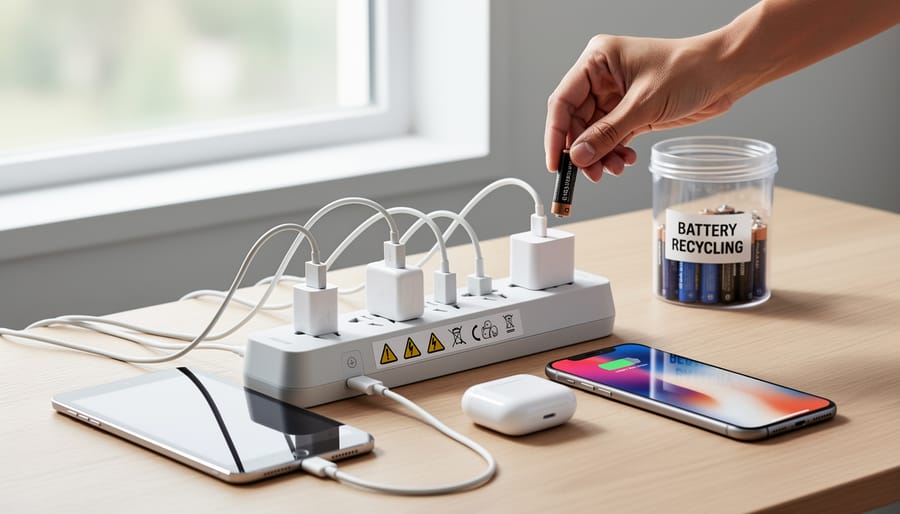
Before you take your first puff, understanding basic safety practices will protect you and those around you. Vaping devices are generally safe when used correctly, but they contain batteries and nicotine that require proper handling.
Battery safety is your first priority. Most beginner devices use built-in lithium-ion batteries that need specific care. Always charge your device with the cable it came with, preferably plugged into a wall adapter rather than a computer or power bank. Don’t leave it charging overnight or unattended for hours. If your device uses removable batteries, learn about the different types of vape batteries and never carry loose batteries in your pocket with keys or coins, as metal contact can cause them to short-circuit. Inspect batteries regularly for dents, tears in the wrap, or any damage, and replace them immediately if you spot problems.
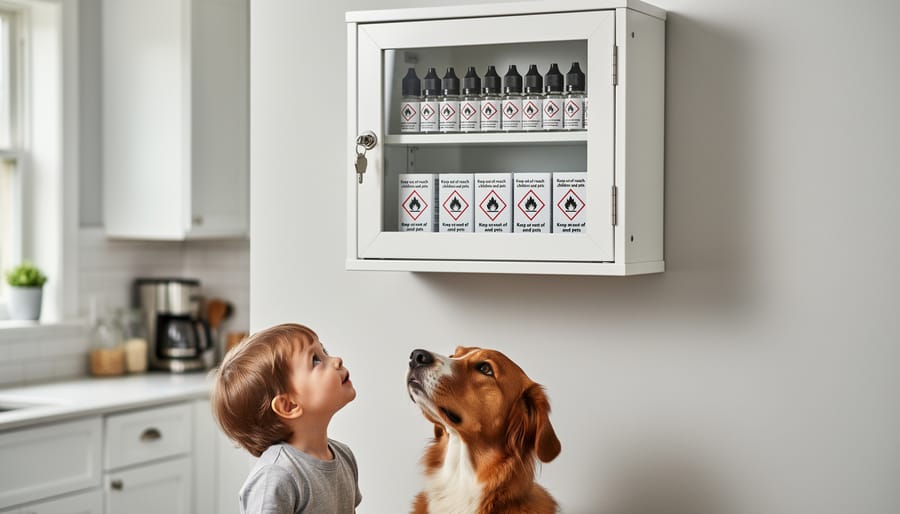
E-liquid requires careful handling because it contains nicotine, which is toxic if swallowed or absorbed through skin in large amounts. Store all bottles in a locked cabinet or drawer, well out of reach of children and pets. Even a small amount can be dangerous to a child. If you spill e-liquid on your skin, wash it off immediately with soap and water. Always close bottles tightly after use and wipe down any spills right away.
Nicotine safety matters just as much as device safety. If you’re new to nicotine or vaping, start with a lower strength (3mg to 6mg for freebase nicotine, or 10mg to 20mg for nicotine salts). Signs you’ve had too much nicotine include dizziness, nausea, headache, rapid heartbeat, or feeling jittery. If this happens, stop vaping immediately, drink water, and get fresh air. These symptoms usually pass quickly, but they’re your body’s signal to reduce your nicotine strength or vape less frequently.
Watch for device problems that indicate something’s wrong. A burnt taste means your coil is done or wasn’t primed properly. Leaking usually signals an incorrectly installed pod or a damaged seal. If your device gets unusually hot, makes strange noises, or the battery drains extremely fast, stop using it and consult the manufacturer or retailer.
Finally, vaping is intended for adults only as an alternative to smoking. Don’t start vaping if you’ve never used nicotine products. It’s not recommended during pregnancy or for anyone with heart conditions, respiratory issues, or nicotine sensitivity. When in doubt about whether vaping is appropriate for you, talk to a healthcare professional.
Step-by-Step: Setting Up and Using Your First Vape
Proper Inhalation Technique for Beginners

When you first start vaping, how you inhale makes all the difference between a smooth experience and a coughing fit. There are two primary techniques: mouth-to-lung (MTL) and direct-to-lung (DTL).
Mouth-to-lung mimics how you’d smoke a cigarette. You draw vapour into your mouth first, hold it briefly, then inhale it into your lungs. This method works best for beginners because it feels familiar and delivers nicotine more effectively with less vapour production. Most pod systems and starter devices are designed specifically for MTL vaping.
Direct-to-lung involves inhaling vapour straight into your lungs in one continuous breath, like taking a deep breath through your mouth. This technique produces large vapour clouds and is typically used with advanced devices at lower nicotine strengths. Skip this approach when you’re starting out.
For your first few puffs, take a slow, gentle draw for about three to four seconds. Don’t pull as hard as you would on a cigarette. A slower, steadier draw produces better flavour and prevents flooding the coil. After drawing vapour into your mouth, pause for a second, then breathe it into your lungs. Exhale normally.
If you’re coughing, you’re likely drawing too hard, using too much nicotine, or need to prime your coil properly. Start with shorter, lighter puffs and gradually adjust. Give yourself a few days to adapt. Your throat needs time to get used to the sensation, which differs from smoke even when using proper technique and following battery safety tips.
How to Know You’re Doing It Right
When you’re vaping correctly, the experience should feel smooth and satisfying, not harsh or unpleasant. You’ll know your setup is working as intended when you produce a visible cloud of vapour with each puff, the flavour tastes clean and matches the e-liquid’s description, and you feel a comfortable throat hit that doesn’t make you cough excessively. Your device should feel slightly warm during use but never hot to the touch, and there should be no gurgling sounds, spitting, or liquid in your mouth.
Here are the signs that everything is working properly:
- Consistent vapour production with each draw
- Clear, accurate flavour that matches your e-liquid
- Smooth or mildly scratchy throat sensation, depending on nicotine strength
- No leaking from the pod or tank
- Device responds immediately when you inhale or press the fire button
- Battery lasts through multiple vaping sessions before needing a recharge
If you notice a burnt or metallic taste, your coil may need replacing or wasn’t primed properly before first use. Weak vapour or muted flavour often means your battery is running low or your e-liquid level is too low. Leaking typically indicates the pod isn’t sealed correctly or you’ve overfilled the tank. Harsh, painful throat hits suggest your nicotine strength is too high or you’re inhaling too aggressively.
For quick troubleshooting when something feels off, start by checking your battery charge and e-liquid level, then inspect the pod or coil connection. Most issues beginners face have simple fixes, and understanding why your vape fails helps you build confidence quickly. Trust your senses: if it tastes good and feels comfortable, you’re doing it right.
Essential Maintenance and Next Steps
Keeping your vape device clean and well-maintained extends its lifespan and ensures consistent performance. The good news is that basic upkeep takes just a few minutes and prevents most common problems.
Wipe down the exterior of your device daily with a soft cloth to remove e-liquid residue and pocket lint. Once a week, remove the pod or tank and clean the connection points with a cotton swab, buildup here can interfere with power delivery. If you have a refillable pod, rinse it with warm water every few refills and let it dry completely before reusing.
Coil or pod replacement matters more than any other maintenance task. You’ll know it’s time when you taste a burnt flavour, notice significantly less vapour, or experience gurgling and leaking. Most coils last one to three weeks depending on your usage and e-liquid type. Sweeter juices tend to gunk up coils faster. Keep spare coils or pods on hand so you’re never caught without a replacement.
Battery care is simple but critical. Avoid letting your battery drain completely before charging, and unplug it once fully charged rather than leaving it connected overnight. Store your device in a cool, dry place away from direct sunlight. If you won’t be using it for several days, store it with a partial charge rather than full or empty.
After a few weeks of vaping, you’ll be ready to explore. Try different e-liquid flavours to discover what you enjoy, your tastes may evolve as you become accustomed to vaping. Pay attention to what nicotine strength satisfies you without causing discomfort, and adjust accordingly.
Many Canadian vapers connect through online communities and local vape shops, which offer valuable advice and product recommendations. As you gain confidence, you might explore devices with adjustable settings or different vaping styles. For now, focus on mastering the basics and establishing a routine that works for you.
Common Beginner Questions Answered
Starting vaping raises plenty of questions, and getting clear answers upfront saves you confusion and frustration. Here are the concerns most beginners face, along with straightforward guidance to help you navigate your first weeks.
How much should I vape each day?
There’s no universal answer, but most beginners find that 10-20 puffs spread throughout the day satisfies their nicotine cravings without overdoing it. Listen to your body, if you feel dizzy, nauseous, or jittery, you’re vaping too much.
Why am I coughing when I vape?
Coughing is extremely common at first and usually happens because you’re inhaling too hard, your nicotine strength is too high, or your e-liquid has more PG than your throat can handle. Take gentler, slower draws and consider switching to a higher VG ratio or lower nicotine level.
How long does a bottle of e-liquid last?
A 30ml bottle typically lasts moderate vapers one to two weeks, though heavy users may go through it faster. Your device type, puff frequency, and wattage all affect consumption rates.
Is vaping actually right for me?
Vaping works best as a smoking alternative for adults who already use nicotine. If you don’t currently smoke, there’s no reason to start vaping, it’s not a risk-free hobby.
Where can I legally vape in Canada?
Canadian vaping laws vary by province, but generally you cannot vape anywhere smoking is prohibited, including most indoor public spaces, workplaces, and near schools. Always check your provincial and municipal regulations.
What does a burnt taste mean?
A burnt or harsh flavour signals that your coil is spent and needs replacing, or that you didn’t prime it properly before first use. Replace the coil and make sure you saturate new coils with e-liquid before vaping.
Can I vape and smoke at the same time?
Yes, many people transition gradually by doing both, though most health experts recommend making a full switch for maximum benefit. Just be mindful of your total nicotine intake from both sources.
Keep in mind that what works for one person might not work for you. Your ideal nicotine strength, device type, and vaping frequency depend on your previous smoking habits, personal preferences, and how your body reacts to nicotine. If you’re experiencing persistent discomfort, try adjusting one variable at a time, nicotine level, device settings, or e-liquid composition, rather than changing everything at once.
Don’t hesitate to ask questions at your local vape shop. Reputable Canadian retailers employ knowledgeable staff who can troubleshoot issues and recommend adjustments based on your specific situation. Most beginners find their groove within two to three weeks once they’ve dialed in the right combination of device, e-liquid, and technique.
Starting your vaping journey doesn’t have to be complicated. With a beginner-friendly device, the right nicotine strength for your needs, and a commitment to following safety guidelines, you’ll be set up for success from day one. The setup process takes just a few minutes, but taking time to understand your device, practice proper technique, and maintain your equipment will make all the difference in your experience.
Don’t rush the process or feel pressured to get everything perfect immediately. Your preferences for flavour, nicotine strength, and even device type may shift as you gain experience, and that’s completely normal. Experiment with different e-liquids, pay attention to how your body responds, and adjust accordingly. If something doesn’t feel right or you’re experiencing persistent issues, reach out to knowledgeable staff at Canadian vape shops or consult reliable online resources.
Remember that quality matters more than price when it comes to your device and e-liquids. Reputable Canadian retailers carry products that meet safety standards and provide the consistency you need as a beginner. By making informed choices, prioritizing safety, and taking a measured approach, you’re not just learning to vape, you’re taking control of your experience and setting yourself up for a positive, sustainable journey.