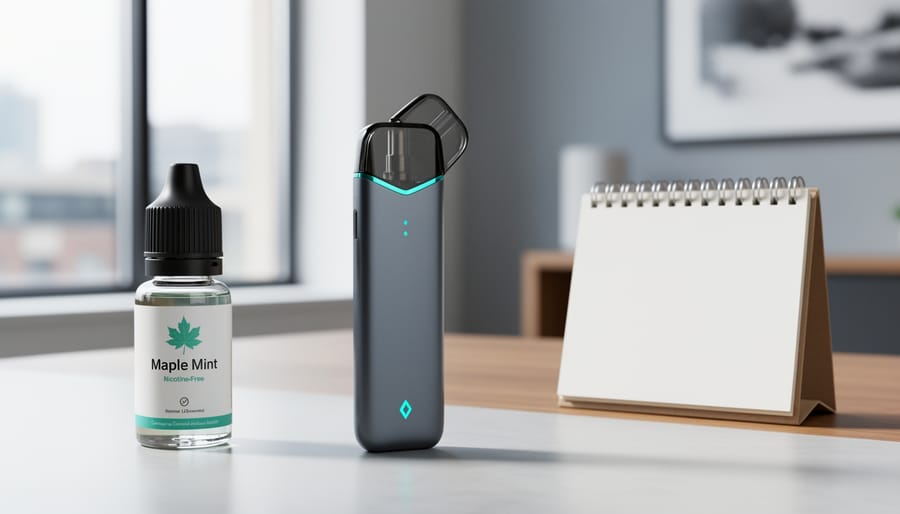
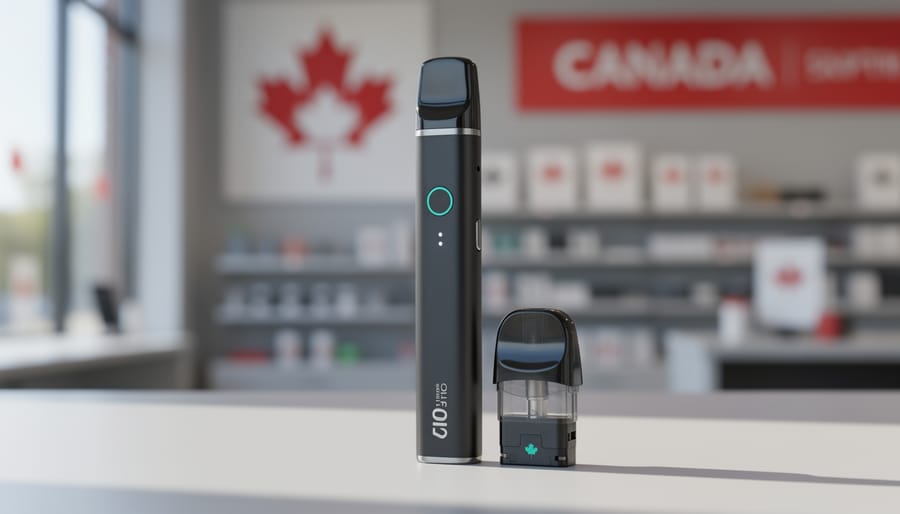
Budget vape pens in Canada typically range from $15 to $50 for the device itself, with 510-thread battery sticks starting around $15, disposable pens running $20 to $35, and refillable pod systems reaching $40 to $50. The cost you’ll pay depends primarily on battery capacity, build quality, brand reputation, and whether you choose disposable or rechargeable options.
Understanding these price tiers matters, but so does knowing how to actually use your budget device once you’ve bought it. Most users searching for budget vape pen information want both: they’re weighing whether an affordable pen delivers good value, and they need clear instructions to get started without wasting product or damaging the device.
The good news is that budget vape pens have become remarkably user-friendly in 2026. Entry-level 510-thread batteries work with a simple five-click power system and button-press operation, while many disposables require nothing more than inhaling to activate. Even if you’re completely new to vaping, you can have your device loaded and ready in under two minutes.
This guide walks you through both the cost side and the practical side. You’ll see what drives prices up or down across different pen types, how ongoing costs for cartridges or e-liquid stack up, and whether DIY refilling saves money over pre-filled options. Just as importantly, you’ll get step-by-step instructions for charging, loading, operating, and troubleshooting your budget pen so you get reliable performance from day one.
The Canadian vaping market offers solid budget options that don’t sacrifice safety or quality. Knowing what you’re paying for and how to use it properly ensures you’ll get the most value from your purchase.
Budget Vape Pen Price Ranges in Canada
Budget vape pens in Canada span a wider price spectrum than many first-time buyers expect. The term “budget” doesn’t mean a single price point, it covers everything from bare-bones starter devices to feature-rich options that still undercut premium models by hundreds of dollars.
Entry-level budget vape pens start around $25-$45 CAD. These are typically basic oil or concentrate pens with fixed voltage, minimal temperature control, and simple one-button operation. You’ll find generic brands and simpler designs in this tier, often sold as starter kits with a charger and one spare coil. They work, but don’t expect advanced features or exceptional build quality.
Mid-budget devices run $50-$90 CAD and represent the sweet spot for most Canadian vapers exploring budget options. This range includes adjustable voltage pens, entry-level dry herb vaporizers with ceramic chambers, and dual-use devices that handle both oils and concentrates. Battery life improves noticeably here, and you’ll see recognizable brand names that offer better warranties and customer support.
Premium budget vape pens cost $95-$150 CAD. These push the upper boundary of what qualifies as “budget” but deliver features that rival mid-tier mainstream models. Expect precise temperature control, longer-lasting batteries (1500mAh+), hybrid heating methods, and quality materials like glass mouthpieces and stainless steel chambers. Many Canadian retailers position these as the best value proposition, capable devices without the $200+ price tags of flagship models.
| Budget Tier | Price Range (CAD) | Key Features | Best For |
|---|---|---|---|
| Entry-Level | $25-$45 | Fixed voltage, basic controls, oil/concentrate focus | First-time users, occasional vapers |
| Mid-Budget | $50-$90 | Variable voltage, ceramic chambers, better battery | Regular users wanting reliability |
| Premium Budget | $95-$150 | Temp control, hybrid heating, quality materials | Experienced users maximizing value |
Prices fluctuate based on retailer, sales events, and whether you’re buying directly from Canadian distributors or international sellers. Shipping costs and provincial taxes can add 10-15% to the final price, so always check the total before checkout. Most budget vape pens at any tier include a USB charger and basic instructions, but coils, extra batteries, and cleaning tools usually cost extra.
Cost by Vape Pen Type
Dry Herb Budget Vape Pens
Budget dry herb vaporizers in Canada typically range from $40 to $90 in 2026, with most reliable options clustering around $60 to $75. These devices heat ground cannabis flower or other herbs without combustion, offering a healthier alternative to smoking.
The price variance stems from several factors. Conduction heating models (where material touches a heated surface) sit at the lower end because they’re simpler to manufacture. Convection or hybrid heating systems, which provide more even vaporization and better flavour, push prices toward the upper range. Battery capacity matters too, a 1200mAh battery might cost $45, while a 2200mAh version with longer session capability reaches $80.
Build quality separates bargain units from worthwhile budget picks. Devices with ceramic or stainless steel chambers last longer and taste cleaner than plastic alternatives, adding $15 to $25 to the price. Temperature control also impacts cost: single-heat models run cheaper, but adjustable temperature settings (usually three to five presets) give you better control over your sessions and justify the extra $10 to $20.
Canadian retailers factor in import duties and distribution costs, which can add 15% to 20% compared to direct-from-manufacturer pricing. Established brands with Canadian customer support typically charge more than unknown imports, but the trade-off includes warranty coverage and replacement part availability.
Oil and Concentrate Pens
Budget oil and concentrate pens typically range from $25 to $60 CAD in the Canadian market, positioning them as the most affordable category of budget vaporizers. These devices cost less than dry herb vaporizers because they use simpler heating elements, usually a basic coil or ceramic chamber, rather than the more complex convection or hybrid systems required for flower.
The lower price point reflects their specialized design. Oil pens heat pre-filled cartridges or concentrates using direct contact heating, which requires fewer components and less sophisticated temperature control. You’ll find perfectly functional 510-thread battery pens starting around $20, while slightly more advanced models with voltage adjustment or preheat functions sit in the $35-$50 range.
Using these pens is straightforward: attach your cartridge to the battery, press the button (usually five clicks to power on), and inhale while holding the button down. Some newer models are draw-activated, eliminating the button entirely. Temperature is often fixed, though adjustable voltage models let you dial in your preferred intensity, lower settings preserve flavor, higher settings produce bigger clouds.
The main ongoing cost difference from herb pens is cartridge replacement rather than flower purchases. A 1ml cartridge typically costs $30-$50 and lasts varying lengths depending on usage frequency, making the total cost of ownership comparable to herb vaporizers despite the lower device price.
Multi-Use Budget Devices
Multi-use budget vape pens that accommodate dry herb, oils, and concentrates typically range from $45 to $95 in Canada. These versatile devices cost more than single-purpose models because they include multiple chambers or interchangeable atomizers designed for different materials.
The price difference reflects the engineering required to handle varying consistencies and temperatures effectively. A $50 multi-use pen might include basic chambers for herb and oil, while an $80 model often features precision-machined components that optimize performance for each material type.
When you’re learning how to use these devices, the multi-chamber design adds a setup step. You’ll need to identify which chamber suits your current material, ensure it’s properly seated in the battery housing, and select appropriate temperature ranges for what you’re vaping. Most budget multi-use pens include labeled chambers and quick-reference guides showing optimal settings for each material type, making the switching process straightforward once you understand the basics.
What’s Included: Breaking Down Your Purchase
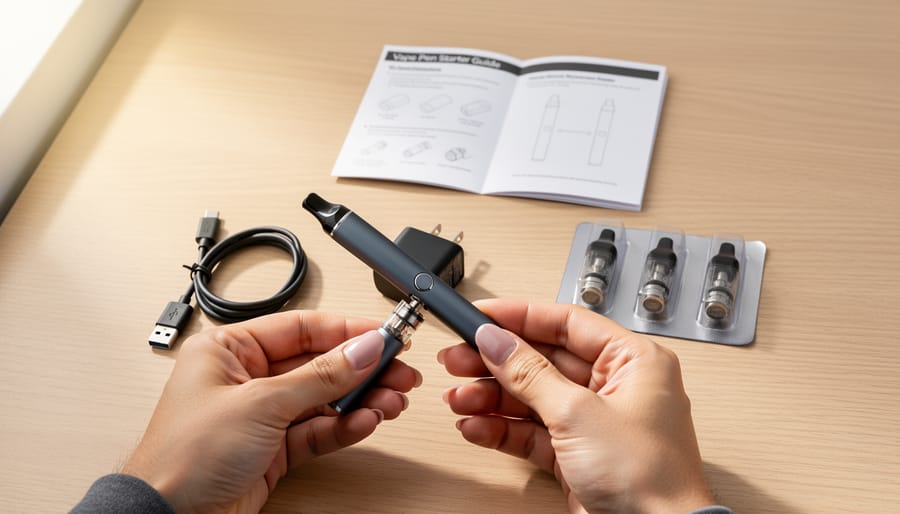
When you buy a budget vape pen in Canada, understanding what’s actually in the box helps avoid surprise expenses and sets realistic expectations. Most budget models include the essentials to get started, but you’ll often need a few extras to complete your setup.
A standard budget vape pen package typically contains:
- The vape pen device with built-in or removable battery
- USB charging cable (usually USB-A to micro-USB or USB-C)
- One heating chamber or coil (sometimes two)
- Basic user manual with safety instructions
- Cleaning tools like a small brush or pick
- Mouthpiece or tip (may include one spare)
What you won’t find in most budget packages are wall adapters for the USB cable, carrying cases, or grinders for dry herb models. These accessories cost extra, typically adding $15 to $40 to your total investment depending on quality. Budget pens rarely include multiple temperature presets or digital displays, though some mid-range budget options now offer basic LED indicators showing battery life and heat levels.
Warranty coverage on budget vape pens runs shorter than premium models. Expect 30 to 90 days for most Canadian retailers, covering manufacturing defects but not user damage or normal wear on consumable parts like coils and chambers. Some brands extend coverage to six months, which adds value if you’re new to vaping and worried about accidental misuse during your learning phase.
Replacement coils and chambers represent your main ongoing purchase. Budget models burn through these faster than premium devices, so factor in $10 to $20 every four to eight weeks depending on your usage frequency. Buying a starter pack with extra coils upfront often saves money compared to individual replacements later.
Factors That Affect Budget Vape Pen Pricing
Several variables interact to determine why one budget vape pen costs $30 while another sits at $80, even though both fall within the “budget” category. Understanding these pricing factors helps you identify genuine value versus marketing markup.
The battery system represents one of the biggest cost differentiators. Devices with integrated, non-replaceable batteries typically cost less upfront but require full unit replacement when the battery degrades. Models that use standard, removable vape battery types like 18650 cells add $15-25 to the initial price but let you swap batteries instead of replacing the entire device. Higher capacity batteries (2000mAh+) add another $10-20 compared to basic 650mAh cells, though they deliver significantly longer usage between charges.
Heating technology creates substantial price gaps. Conduction heating, where material contacts a heated surface directly, costs manufacturers less to implement, keeping retail prices lower. Convection systems that heat air flowing through the chamber require more complex engineering and premium materials, typically adding $20-40 to the final price. Some budget brands split this difference with hybrid heating that combines both methods at a moderate price point.
- Construction materials: plastic housings vs. aluminum bodies ($10-15 difference)
- Chamber quality: ceramic chambers cost $8-12 more than basic metal alternatives
- Temperature control: precise digital displays add $15-20 vs. simple preset buttons
- Airflow design: adjustable airflow systems increase manufacturing complexity by $5-10
- Brand positioning: established brands command 20-30% premiums over generic equivalents
Canadian-specific costs also influence pricing. Devices imported directly from overseas manufacturers avoid distributor markups but may lack proper Health Canada compliance documentation. Units sourced through Canadian authorized distributors include warranty support and regulatory compliance but carry additional distribution margins that add 15-25% to the base cost. Provincial tax variations mean the same device costs differently across Canada, a $60 vape pen in Alberta becomes $67 in Ontario after HST versus $69 in Quebec with QST.
Feature density matters significantly. A bare-bones device with one temperature setting and no display costs manufacturers $8-12 to produce. Add an OLED screen, three heat modes, haptic feedback, and a preheat function, and production costs jump to $18-25, which translates to $30-50 retail price differences after standard markup.
Pre-Built vs. Customized Budget Setups
Most Canadian vapers starting with budget devices face a straightforward choice: buy a complete vape pen ready to use out of the box, or assemble a customized setup from individual components. Each path offers distinct advantages depending on your experience level and priorities.
Pre-built budget vape pens typically cost $30-$80 and include everything needed for immediate use, battery, chamber or cartridge attachment, charger, and basic accessories. You unbox it, charge it, and start vaping within an hour. This simplicity makes pre-built options ideal if you’re new to vaping or want a hassle-free backup device. The downside is limited flexibility: you’re locked into whatever battery capacity, heating element, and feature set the manufacturer chose.
Customized setups let you mix and match components, selecting your preferred battery (often a universal 510-thread model for $15-$35), then pairing it with specialized chambers for dry herb ($20-$40), oil cartridges, or concentrate attachments. Total investment usually runs $50-$120 depending on quality choices. This approach gives you control over each element’s performance characteristics and allows easy upgrades without replacing the entire device.
Pros
- Pre-built: Ready to use immediately with no assembly or compatibility research required
- Pre-built: All components guaranteed to work together with warranty coverage
- Customized: Upgrade individual parts instead of replacing entire device when one component fails
- Customized: Tailor battery life, chamber size, and heating method to your specific needs
Cons
- Pre-built: Cannot upgrade components separately if battery dies or chamber performance degrades
- Pre-built: Feature limitations based on manufacturer’s design choices
- Customized: Requires research to ensure battery and attachment compatibility (threading, voltage)
- Customized: Higher upfront cost and more complex troubleshooting when issues arise
For most first-time budget buyers in Canada, pre-built makes practical sense. You’ll learn what matters to you through actual use before investing in a customized setup. Once you understand your preferences, longer sessions need bigger batteries, concentrates require specific voltage ranges, building a custom rig delivers better long-term value. Consider starting pre-built, then transitioning to modular components as your second purchase when you know exactly what performance characteristics you need.
How to Use Your Budget Vape Pen: Step-by-Step Instructions
Initial Setup and Charging
Start by removing your vape pen from its packaging and locating all included components. Most budget models come with the main battery unit, a charging cable (typically USB or USB-C), and sometimes a spare mouthpiece or cleaning tool. Lay everything out so you can confirm what you received.
Before your first use, charge the battery fully. Connect the charging cable to the port on your device, usually at the base, and plug into a power source. Many budget pens have an LED indicator that glows red during charging and turns green or switches off when complete. This initial charge typically takes two to four hours. Never leave a charging vape pen unattended for extended periods.
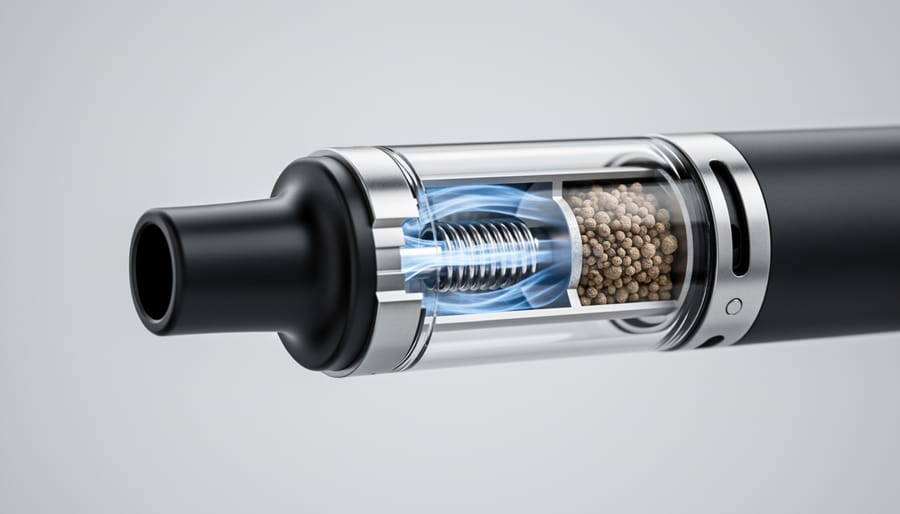
While it charges, familiarize yourself with the basic components. Identify the power button (often located mid-body), the mouthpiece or drip tip at the top, and the chamber or cartridge connection point. Some budget models have airflow vents along the sides, note their location so you don’t accidentally block them during use.
Once fully charged, press the power button five times rapidly to turn the device on. Most pens use this five-click sequence as a safety lock. You should see the LED flash to confirm activation. If your model has adjustable temperature settings, they’re usually cycled by pressing the button three times. Check for any protective stickers or silicone plugs covering the chamber and remove them before loading material.
Loading Your Material

Loading your budget vape pen correctly makes a huge difference in performance and flavor. The technique varies by what you’re vaping.
For dry herb pens, grind your material to a medium-fine consistency, not powder, but broken down enough to expose surface area. Remove the mouthpiece or chamber lid and gently fill the heating chamber about three-quarters full. Don’t pack it tightly; a light, even distribution lets air flow through for better vapor production. Overpacking restricts airflow and can burn the herb unevenly, while underfilling wastes heat and produces weak vapor.
Oil and concentrate pens work differently. If you’re using pre-filled cartridges, simply screw the cartridge onto the battery until snug, don’t overtighten. For refillable oil chambers, use a syringe or dropper to fill slowly, leaving a small air gap at the top to prevent leaking. With concentrate pens that use coils or ceramic chambers, place a rice-grain-sized dab directly onto the heating element using a dab tool. Start small; you can always add more, but overloading creates mess and waste.
Before your first session, do a quick burn-off by running the device empty for 5-10 seconds at medium heat. This clears any manufacturing residue and primes the chamber.
Operating Controls and Temperature Settings
Most budget vape pens use a simple five-click power system: press the main button five times quickly to turn the device on or off. You’ll typically see an LED light flash to confirm the power state. Some models require three clicks instead, so check your specific device manual.
Once powered on, a single button press activates the heating element. Hold the button down while inhaling for most budget models. The LED indicator will show heating is active, usually changing colour or staying lit while you draw. Release the button when you’re done with your draw.
Temperature control varies significantly between budget models. The most basic pens operate at a fixed temperature with no adjustment options. Mid-range budget devices often use a multi-click system where pressing the button three times cycles through preset temperature levels, indicated by different LED colours. Green typically means low heat (around 175°C), blue indicates medium (190°C), and red signals high (205°C). Some budget pens use a dial or slider for temperature selection.
For dry herbs, start at lower temperatures to preserve flavour, then increase if vapor production seems weak. Concentrates generally perform better at higher settings. Most budget pens heat up within 15-30 seconds, with the LED changing colour or pattern when ready.
If your device has a preheat mode (usually activated by pressing the button twice), use it to warm thicker oils before drawing. This feature isn’t universal on budget models but improves performance when available.
Common Usage Questions for Budget Vape Pens
Budget vape pen users consistently ask the same practical questions, so here are straightforward answers based on real-world experience with entry-level devices.
How long should each vaping session last? Most budget vape pens work best with 5-10 minute sessions. The smaller batteries and heating chambers in budget models aren’t designed for extended use, and pushing beyond this timeframe often leads to uneven heating or burnt material. Think of it like sipping rather than chugging, shorter, deliberate sessions preserve both your material and the device’s lifespan. If you’re vaping CBD products, understanding the CBD effects explained can help you determine the ideal session length for your needs.
How often should I clean my budget vape pen?
Clean the chamber after every 3-5 sessions for dry herb pens, or weekly for oil pens. Regular cleaning prevents buildup that affects flavour and performance, especially important in budget models with less sophisticated airflow.
How long does the battery actually last?
Budget vape pen batteries typically deliver 5-8 sessions per charge, though this drops over 6-12 months of use. Expect to recharge daily with regular use, and plan to replace the battery or device within a year.
Why isn’t my pen producing vapour?
Check that the battery is charged, the chamber is properly loaded without overpacking, and the device has reached operating temperature (usually 30-60 seconds). If vapour remains weak, the coil or heating element may need replacement.
Can I use my pen while it’s charging?
Most budget vape pens don’t support pass-through charging due to safety and component limitations. Wait until the device is fully charged before your next session to avoid damaging the battery.
Many first-time users worry about how much material to load. Start with less than you think, filling the chamber only halfway lets air circulate properly and produces better vapour. Overpacking is the number one mistake that makes budget pens seem ineffective.
Temperature confusion is another common issue. If your budget pen has adjustable settings, start at the lowest temperature and work up. Lower temps (around 175-185°C) preserve flavour but produce lighter vapour, while higher settings (200-210°C) create thicker clouds but can taste harsh. There’s no universally “correct” temperature; it depends on your material and preferences.
When your device starts tasting burnt even with fresh material, it’s usually the coil or chamber reaching end of life rather than user error. Budget components simply wear out faster than premium alternatives, typically needing replacement every 4-8 weeks with daily use.
Ongoing Costs: Maintenance and Replacement Parts
Your budget vape pen’s initial price is just the beginning. Most components wear down with regular use, and understanding these ongoing costs helps you budget realistically and maintain optimal performance.
Replacement parts form the bulk of your maintenance expenses. Coils or heating chambers typically need replacing every 2-4 weeks depending on usage frequency, costing $10-25 for a pack of three to five. Mouthpieces and glass components last longer but eventually crack or accumulate buildup, running $8-15 for replacements. If your device uses removable batteries, you’ll need to choose the right battery replacements every 6-12 months at $12-20 each, though many budget pens have built-in batteries that last the device’s lifetime.
| Part | Typical Lifespan | Cost Range (CAD) |
|---|---|---|
| Coils/Heating Chambers | 2-4 weeks | $10-25 (pack of 3-5) |
| Mouthpieces | 3-6 months | $8-15 |
| Replacement Batteries | 6-12 months | $12-20 each |
| Cleaning Supplies (monthly) | Ongoing | $5-10 |
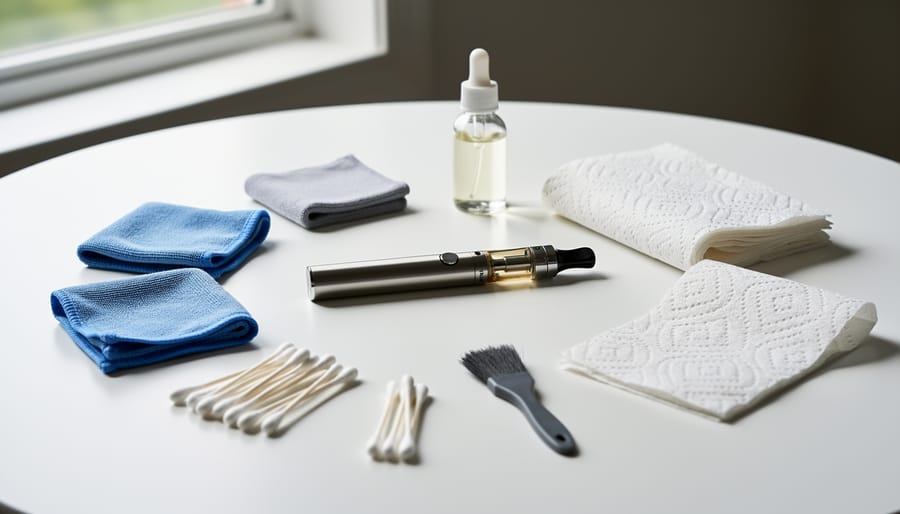
Cleaning supplies represent smaller but regular expenses. Isopropyl alcohol, cotton swabs, and pipe cleaners cost $5-10 monthly for active users. Some manufacturers sell specialized cleaning kits for $15-30 that last several months and include brushes sized for specific chambers.
Budget vape pens typically last 8-18 months with proper maintenance before performance degrades noticeably. Heavy daily users might replace devices closer to the 8-month mark, while occasional users can stretch lifespan beyond a year. Factor in roughly $15-30 monthly for maintenance supplies and replacement parts when calculating your true ownership cost.
What Changes the Price
The sticker price of a budget vape pen shifts based on a few core drivers. Brand recognition pushes costs higher, established names charge more for trust and customer service, while newcomers undercut to gain traction. Manufacturing origin matters too: devices made overseas cost less upfront but may lack warranty support, whereas Canadian-assembled units add labour and compliance costs.
Material choices directly impact your wallet. Glass chambers and ceramic heating elements cost more than plastic housings and basic coils, but they deliver cleaner flavour and last longer. Battery capacity follows the same rule: a 1000mAh cell runs cheaper than a 2000mAh option, though learning battery life tips helps you maximize any capacity. Temperature control features add dollars, precise digital displays and multi-setting modes require better electronics than simple on-off switches.
Purchase timing creates fluctuations too. End-of-season clearances and bundle deals drop prices 20-30%, while new model launches temporarily inflate older stock before discounts kick in. If you’re exploring different substances and wondering does CBD make tired that research won’t change device pricing but will help you choose compatible models.
DIY vs Hiring a Pro
Budget vape pens don’t typically require professional services since they’re designed for straightforward self-use. The DIY approach costs nothing beyond your initial purchase and a few minutes reading the included manual, while “hiring a pro” in the vaping context means purchasing expensive pre-configured devices or paying vape shop staff for setup assistance (which most shops offer free anyway).
Setting up and using your budget vape pen yourself takes 5-10 minutes for first-time setup and under a minute for daily use once you’re familiar with the process. You’ll need to verify battery compatibility if purchasing separate components, load your material properly, and select the right temperature setting. The risk is minimal, worst case, you might combust your material from setting the temperature too high or experience poor vapor from improper packing, but you won’t damage the device.
Paying premium prices for “professionally configured” devices or custom builds rarely makes sense for budget models. You’re essentially paying markup for simple assembly you can easily handle yourself by following basic instructions.
Budget vape pens in Canada typically cost between $25 and $120, with most quality devices landing in the $40-$80 range. These initial prices represent just part of your total investment, expect to spend an additional $10-$30 monthly on replacement coils, cleaning supplies, and materials, depending on your usage frequency.
The real value in budget vaping comes from mastering proper usage. Correctly charging your device, loading the right amount of material, selecting appropriate temperatures, and maintaining regular cleaning schedules can extend your pen’s lifespan by years and dramatically improve your experience. A $60 vape pen used correctly will outperform a $100 model that’s poorly maintained.
When choosing from the Budget Vaporizers category, resist the temptation to buy solely on price. A $35 pen that breaks in three months costs more than a $70 device lasting two years. Focus on reputable brands with good warranty coverage, check what’s included in the package, and read user reviews about durability and customer support.
Balance your budget against your needs. If you’re starting out, a mid-range option around $50-$70 gives you quality construction and essential features without overpaying for premium bells and whistles you may not need yet.