Vaping is safer than smoking, but it’s not risk-free. Before you start vaping for beginners you need to separate fact from fiction. Misinformation floods the market, and too many newcomers choose devices based on flashy advertising rather than quality and safety standards.
The five facts below cut through the noise. You’ll learn what vaping actually does to your body, how to identify quality products in Canada’s regulated market, why nicotine strength matters more than you think, what maintenance actually requires, and how recent regulatory changes affect your choices. Each fact addresses a common misconception or knowledge gap that trips up new vapers.
Whether you’re considering vaping as a smoking alternative or simply exploring your options, understanding these fundamentals helps you make informed decisions. The Canadian vaping landscape has matured significantly, with stronger safety standards and clearer labeling than ever before. You deserve accurate information that prioritizes your health and experience over hype.
Why These Five Facts Matter
If you’re new to vaping, you’ve probably noticed there’s a lot of conflicting information out there. Some sources treat vaping like a miracle solution, while others paint it as universally dangerous. The truth sits somewhere in between, and understanding that nuance matters.
The five facts in this guide weren’t chosen randomly. Each one addresses a specific gap in knowledge that trips up most beginners. New vapers typically struggle with three main areas: understanding what vaping actually is and how it differs from smoking, knowing which products are safe and suitable for their needs, and grasping the practical realities of device use and maintenance. These facts tackle all three.
For Canadian vapers specifically, there’s an added layer worth understanding. Canada has some of the most comprehensive vaping regulations in the world, covering everything from nicotine concentration limits to product testing standards. These rules exist to protect consumers, but they only work if you know what to look for and where to buy. The facts ahead will help you navigate the Canadian market confidently, recognize quality products, and understand why those regulations actually benefit you as a beginner.
1. Vaping Is Not the Same as Smoking (But It’s Also Not Risk-Free)
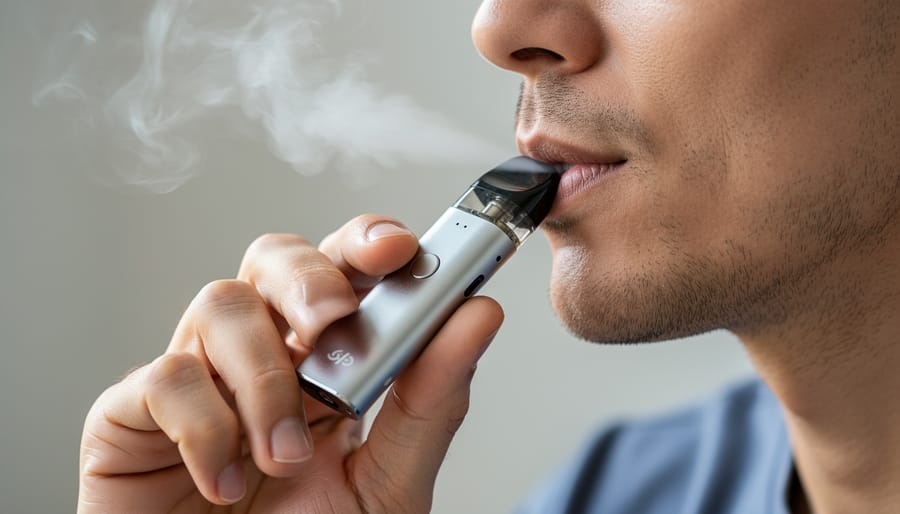
When you light a cigarette, you’re burning tobacco at temperatures exceeding 600°C, which creates smoke containing thousands of chemicals formed through combustion. Vaping works completely differently. Your device heats e-liquid to around 200°C, turning it into an aerosol vapor without burning anything. No combustion means no tar, no carbon monoxide, and none of the toxic byproducts that make cigarette smoke so harmful.
This distinction matters because research from public health organizations, including Public Health England, indicates that vaping presents substantially fewer risks than smoking for adults who would otherwise continue smoking. The vapor you inhale contains fewer harmful chemicals at lower concentrations than cigarette smoke. Understanding what vape vapor does helps clarify why harm reduction experts view vaping as a less harmful alternative for current smokers.
That said, “less harmful” doesn’t mean “harmless.” E-liquids contain nicotine, which is addictive, along with propylene glycol, vegetable glycerin, and flavouring compounds. While these ingredients are generally recognized as safe for ingestion, their long-term effects when inhaled aren’t fully understood yet. Vaping can cause throat irritation, coughing, and other side effects, particularly when you’re starting out.
Here’s the critical point: vaping is designed as a harm reduction tool for adult smokers seeking an alternative to cigarettes. If you don’t currently smoke, there’s no health reason to start vaping. For youth and non-smokers, the nicotine exposure and potential respiratory effects represent unnecessary risks. Canadian regulations reflect this reality by restricting sales to adults 18 or 19 and older, depending on your province.
2. Device Quality and E-Liquid Ingredients Actually Matter
When you walk into a convenience store, you might see vaping products next to the candy bars. That doesn’t mean they’re all worth your money or safe to use. The device you choose and the e-liquid you put in it directly affect your experience, your safety, and whether you’ll end up wondering why your vape not working after two weeks.
Quality matters because vaping devices contain electrical components, heating elements, and rechargeable batteries. A cheaply made device can leak, burn out quickly, or in rare cases pose battery safety risks depending on the types of vape batteries used. Reputable Canadian retailers stock products that meet safety standards and comply with federal regulations. Counterfeit devices flooding the market often skip quality control entirely, using substandard materials that affect both performance and safety.
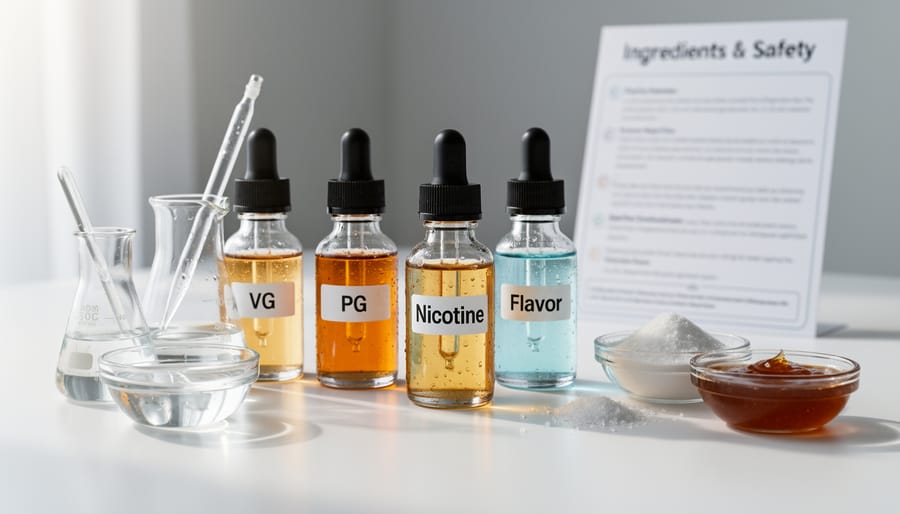
E-liquid ingredients are equally important to understand. Every bottle sold legally in Canada contains a limited set of components:
- Propylene Glycol (PG): a thin liquid that carries flavour and provides throat hit
- Vegetable Glycerin (VG): a thicker liquid that produces vapor clouds and adds smoothness
- Nicotine: available in freebase or salt form, with concentration limits of 20mg/mL in Canada
- Flavourings: food-grade additives that create taste profiles, from tobacco to fruit to dessert
The ratio of PG to VG affects your experience. Higher PG gives stronger flavour and throat sensation, while higher VG creates thicker vapor and a smoother inhale. Beginners often start with balanced ratios like 50/50 before experimenting with their preferences.
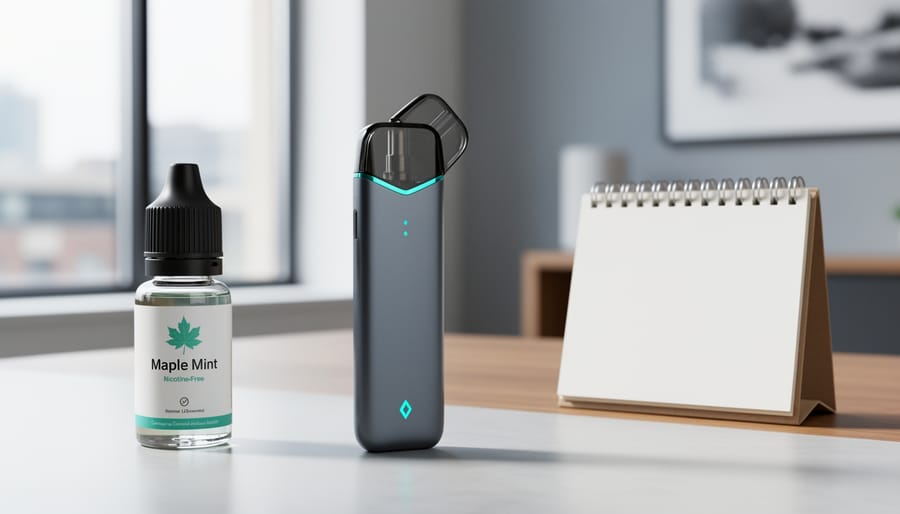
Check the label before buying. Legitimate Canadian e-liquids display nicotine concentration, ingredient list, health warnings, and childproof packaging. If a product lacks clear labelling, comes in oversized bottles, or claims nicotine levels above 20mg/mL, it’s either unregulated or imported illegally. These products bypass the quality testing required for legal sale, leaving you guessing what you’re actually inhaling.
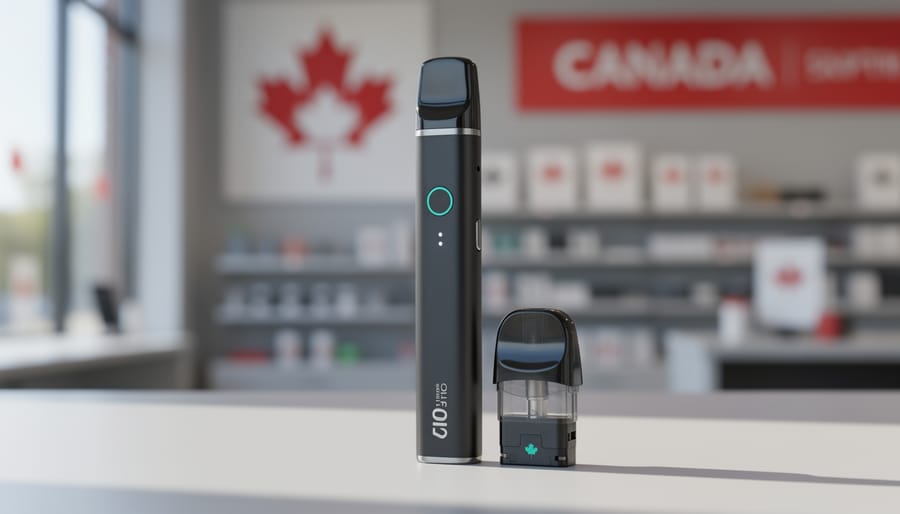
Stick with licensed Canadian vape shops, both physical locations and verified online retailers. They source from manufacturers who follow Good Manufacturing Practices and submit products for regulatory compliance. The few extra dollars you spend on quality products prevent frustration, wasted money on devices that fail, and potential health risks from mystery ingredients.
3. Nicotine Strength Isn’t One-Size-Fits-All
Choosing the right nicotine strength from the start makes a huge difference in whether you’ll stick with vaping or give up in frustration. Too much nicotine leaves you lightheaded and nauseous. Too little sends you back to cigarettes within days because you’re not getting enough satisfaction.
Canadian e-liquids come in strengths ranging from 0 mg/mL (nicotine-free) up to 20 mg/mL, the legal maximum for most products. If you smoked a pack or more daily, you’ll likely need 12-20 mg/mL to start. Half-pack smokers typically do well with 6-12 mg/mL. Light or social smokers might find 3-6 mg/mL sufficient. If you never smoked, there’s zero reason to start with nicotine at all.
Here’s where it gets interesting: the type of nicotine matters as much as the strength. Freebase nicotine, the traditional form, delivers a throat hit similar to cigarettes but can feel harsh above 12 mg/mL. You’ll find this in most refillable tank systems and lower-strength e-liquids. It absorbs more slowly, which works well if you vape frequently throughout the day.
Nicotine salts, on the other hand, allow much higher concentrations without the harshness. They’re engineered to absorb faster and feel smoother, making them perfect for pod systems and former heavy smokers who need quick satisfaction. A 20 mg/mL salt nicotine product delivers intensity comparable to smoking but without the burning sensation. The tradeoff is that salt nicotine works best in lower-powered devices designed specifically for it.
Watch for these signs you’ve chosen wrong: dizziness, headaches, or a racing heart mean you’re using too much. Constantly reaching for your device, feeling irritable, or thinking about cigarettes suggests you need more. Most beginners find their sweet spot within a week or two of experimenting. Canadian retailers can’t legally recommend specific strengths for your situation, but they can explain the options available and what other customers with similar backgrounds typically choose. Start conservatively, give it a few days, and adjust from there.
4. Proper Maintenance Extends Device Life and Improves Experience
A vaping device isn’t a set-it-and-forget-it product. Regular maintenance makes the difference between a device that delivers consistent flavour and vapor for months versus one that starts tasting burnt or leaking within weeks. Most beginner frustrations trace back to neglected upkeep, not faulty hardware.
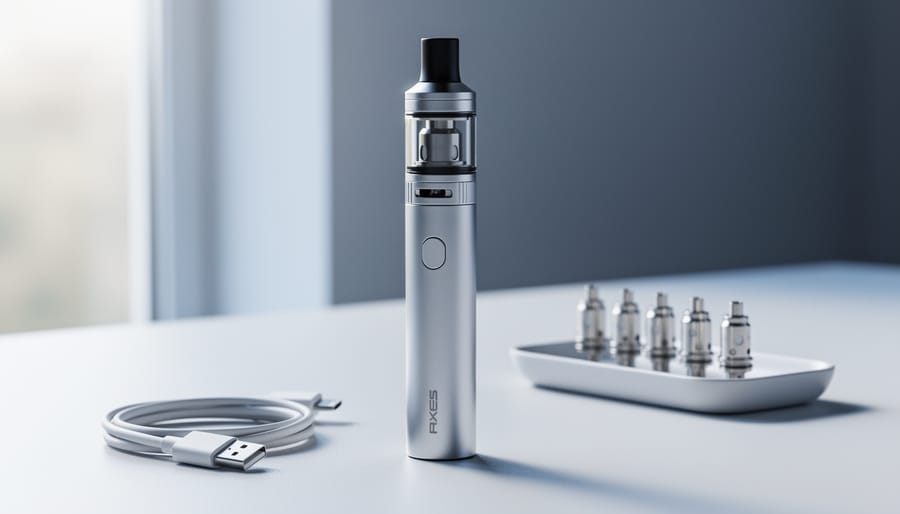
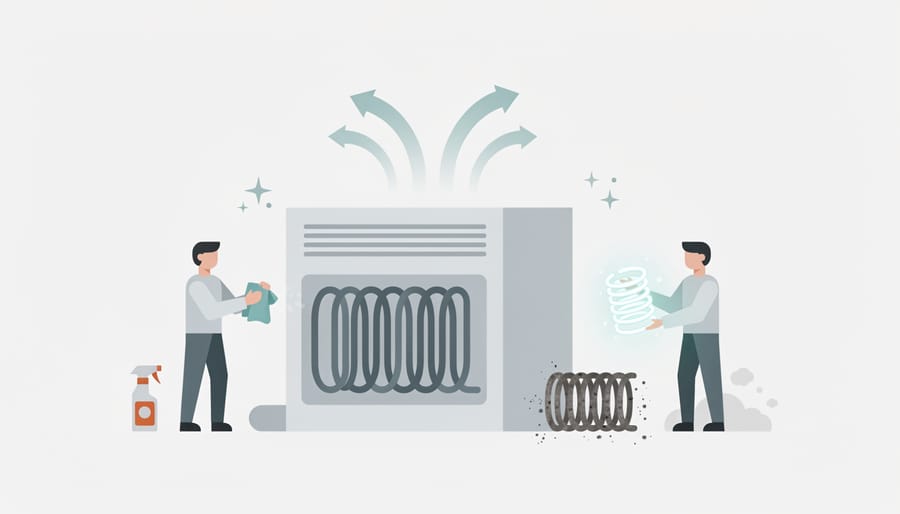
Coils are the workhorse component of any vape device. They heat your e-liquid to create vapor, but they don’t last forever. Expect to replace coils every one to three weeks depending on how frequently you vape and what e-liquid you use. Sweeter, darker liquids burn through coils faster than lighter ones. You’ll know it’s time for a change when you taste a burnt cotton flavour, notice significantly weaker vapor production, or experience gurgling and leaking. Ignoring these signs won’t just ruin your vaping experience, it can make your device perform poorly even after you finally swap the coil.
Cleaning your tank every time you change flavours or refill prevents residue buildup that dulls taste and clogs components. Rinse the tank with warm water, let it air dry completely, then reassemble. For deeper cleaning every few weeks, use a small amount of unflavoured vodka or specialized cleaning solution to break down stubborn e-liquid deposits. Always ensure everything is bone-dry before adding fresh e-liquid.
Battery safety matters more than many beginners realize. Only use the charging cable that came with your device, avoid leaving it plugged in overnight, and never charge on flammable surfaces like bedding. If your device has a removable battery, inspect it regularly for tears in the wrap or dents, damaged batteries pose serious risks and should be replaced immediately. Store devices upright in a cool, dry place away from direct sunlight when not in use.
Threads and connection points collect e-liquid residue and pocket lint over time. Wipe them down weekly with a dry cloth or cotton swab to maintain solid electrical contact and prevent auto-firing issues. These small habits add up to months of reliable performance.
5. Canadian Regulations Protect Consumers (And You Should Know Them)
Canada has some of the strictest vaping regulations in the world, and that’s actually good news for you as a new vaper. These rules exist to protect consumers and ensure you’re getting safe, tested products.
First, the basics: you must be 18 or 19 years old to purchase vaping products in Canada, depending on your province. Retailers are required to verify your age, so always bring valid ID. Nicotine concentration is capped at 20 mg/mL in e-liquids, which prevents exposure to excessively high nicotine levels that exist in some unregulated markets. This limit is sufficient for most adults transitioning from smoking while reducing the risk of nicotine poisoning.
Packaging requirements matter more than you might think. Canadian vaping products must include health warnings, ingredient lists, and nicotine content disclosure. Child-resistant packaging is mandatory, and the maximum container size for nicotine-containing e-liquids is 30 mL. These aren’t arbitrary rules, they’re designed to prevent accidental ingestion and ensure you know exactly what you’re putting in your device.
Where you can vape is equally regulated. Most provinces apply the same restrictions to vaping as smoking, meaning you can’t vape indoors in public spaces, workplaces, or near building entrances. Some municipalities have additional bylaws, so check local rules.
Why does this matter for beginners? Because buying from licensed Canadian retailers means you’re getting products that meet these standards. Counterfeit or illegally imported vapes bypass safety testing, age verification, and quality controls. When you purchase from legitimate sources, you’re not just following the law, you’re ensuring the products have been manufactured to specific safety requirements and contain what the label claims. That peace of mind is worth insisting on compliant products from day one.
Common Questions About Vaping Basics
Now that you understand the core facts, let’s tackle the practical questions beginners ask most often. These quick answers will help you navigate your first weeks of vaping without second-guessing every decision.
How long does a vaping device typically last?
A quality starter device should last 6-12 months with proper care, though you’ll replace coils every 1-3 weeks and refill e-liquid regularly. Battery lifespan depends on charging habits and usage frequency.
Can I vape indoors in Canada?
It depends on the property owner or business. Many Canadian provinces treat vaping like smoking in public spaces, and most workplaces and multi-unit buildings prohibit it indoors regardless of legal status.
What’s the difference between MTL and DTL vaping?
MTL (mouth-to-lung) mimics cigarette draws, you pull vapor into your mouth first, then inhale. DTL (direct-to-lung) draws vapor straight to your lungs like a deep breath, producing larger clouds and requiring different devices.
How much will vaping cost me each month?
Expect $40-80 monthly after your initial device purchase, covering e-liquid ($20-40) and replacement coils ($15-30). Costs vary based on how frequently you vape and your device type.
Your choice between MTL and DTL matters more than you might think. Most beginners start with MTL devices because the familiar draw makes the transition easier, plus they use less e-liquid. DTL setups deliver more vapor and flavor intensity but require more powerful batteries and burn through e-liquid faster.
Budget planning helps avoid surprises. While vaping generally costs less than a pack-a-day smoking habit, factor in the upfront device cost ($30-100 for beginner setups) and acknowledge that bargain-basement products often lead to frustration and replacement purchases. Quality gear from reputable Canadian retailers pays off in reliability and consistent performance.
Understanding these five essential facts before you start vaping sets you up for a better, safer experience. You now know that vaping differs fundamentally from smoking but requires informed decision-making. You recognize that product quality matters, choosing reputable Canadian retailers and understanding what goes into your e-liquid protects your investment and your wellbeing.
Selecting the right nicotine strength prevents frustration and helps you achieve your goals, whether you’re transitioning from smoking or exploring vaping for the first time. Basic maintenance keeps your device performing well and prevents common problems that discourage beginners. Finally, awareness of Canadian regulations ensures you’re purchasing legal, quality-tested products while understanding your rights and responsibilities as a consumer.
Starting your vaping journey with this foundation makes the experience less overwhelming. Canadian vaping retailers offer extensive educational resources, from detailed product guides to personalized recommendations based on your needs. Take advantage of these resources, ask questions, and remember that every experienced vaper started exactly where you are now, with curiosity and a willingness to learn. Informed choices lead to better outcomes, and you’ve already taken the first step by understanding what really matters.