

Vaping is not risk-free, but for adult smokers who switch completely, it appears to carry fewer known health risks than smoking cigarettes. That’s the honest short answer, and it’s the position taken by public health bodies in Canada and abroad. Cigarette smoke contains thousands of chemicals produced by burning tobacco, including many that cause cancer. Vapour from an e-liquid skips the combustion, so it exposes you to far fewer toxic substances. Fewer is not the same as none, though. Nicotine is addictive, and vapour can still irritate the lungs and throat.
For anyone who has never smoked, the answer is simpler: vaping offers no health benefit, and there’s no reason to start. Nicotine in any form is a poor choice for young people, whose brains are still developing, which is why vaping products in Canada are strictly for adults.
Because vaping is a relatively new habit, studies tracking people over decades simply don’t exist yet. What we do have is a growing body of evidence worth looking at calmly, without hype or scare tactics. Below, we cover how vaping compares with smoking, how Canadian rules shape what you can buy and who can buy it, and where to find official support if you want to quit nicotine altogether.
What Public Health Research Says About Vaping and Your Health
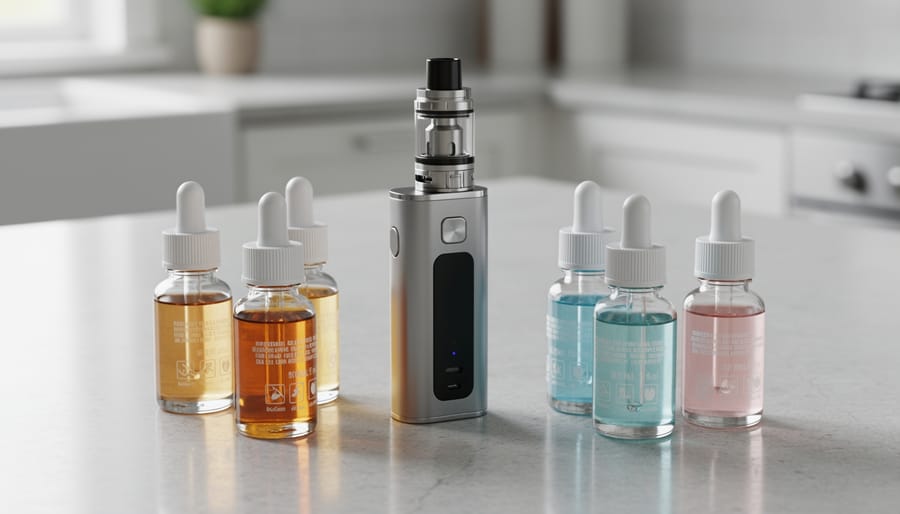
Vaping vs. Smoking: Where the Evidence Points
When people ask whether vaping is healthy, the fairest comparison is with the habit it’s meant to replace. Cigarettes burn tobacco, and that combustion creates smoke packed with tar and thousands of chemicals, many of them toxic. Vaping devices heat e-liquid into a vapour without burning anything, so smokers are generally exposed to fewer combustion-related toxins. That is the core reason health agencies see vaping as a possible harm-reduction tool for adults who already smoke.
| Factor | Traditional cigarettes | Vaping |
|---|---|---|
| Combustion | Tobacco is burned, producing smoke | E-liquid is heated into vapour, with no burning tobacco |
| Tar | Present in tobacco smoke | Not produced, since nothing is burned |
| Nicotine | Always delivered, and highly addictive | Present in many e-liquids, and also addictive |
| Secondhand exposure | Secondhand smoke harms bystanders | Secondhand vapour exposure is still not well understood |
| Long-term evidence | Decades of data showing serious harm | Limited, because vaping is relatively new |
Nicotine is the thing both products have in common. It reaches the body quickly whether it comes from smoke or vapour, and Nicotine causes dependence so using it regularly can make it hard to stop. That’s why vaping is best described as a lower-risk alternative for smokers, not a wellness product.
The picture changes completely for people who don’t smoke. They have no health reason to start vaping, because they’d be taking on nicotine exposure with no benefit in return. Health Canada is clear on this point, noting that vaping is Not safe for non-smokers. For adult smokers, though, switching completely may meaningfully reduce harm compared with continuing to smoke.

Known Concerns and Open Questions
Vaping may be lower-risk than smoking for adults who already smoke, but “lower-risk” still leaves some real concerns on the table. The biggest one is nicotine itself. Nicotine is addictive, and many people find it harder to cut back than they expected, whatever device they use. If you don’t currently smoke or vape, there’s no health reason to begin.
Beyond dependence, users and health agencies commonly point to a handful of short-term effects:
- Throat irritation or a dry, scratchy feeling after vaping
- Coughing and airway irritation, especially for newer users
- Dry mouth and occasional headaches
- Nicotine-related effects like dizziness, jitteriness or a faster heartbeat
- Trouble cutting back once vaping becomes a daily habit
None of these mean the same thing for every person. If you have asthma, a heart condition or another existing health issue, it’s worth talking to a doctor or pharmacist about how nicotine might affect you personally.
Product quality matters too. Regulated devices and e-liquids sold through reputable Canadian retailers are subject to labelling and ingredient rules, which gives you a clearer picture of what you’re inhaling. Unregulated or counterfeit products offer no such assurance, so buying from licensed sellers is a simple way to reduce avoidable risk.
Then there’s what we still don’t know. Modern vaping hasn’t been around long enough to produce decades of long-term data, so researchers can’t yet say with confidence what years of regular use might do to the lungs or heart. That uncertainty cuts both ways. It would be wrong to call vaping harmless, and equally wrong to claim we already know it’s as dangerous as smoking. The honest position is that the evidence is still developing, and staying informed through trusted Canadian health sources is the best way to keep up.
How Canada Regulates Vaping and Who Vaping Is For
Who Vaping Is and Isn’t Appropriate For
Vaping isn’t designed for everyone, and the question of who it suits is really a question of what problem you’re trying to solve. In Canada, the clearest case is a legal-age adult who currently smokes and wants an alternative to cigarettes. For that person, switching may reduce exposure to the toxins produced by burning tobacco, which is why public health bodies discuss it as a harm-reduction option rather than a wellness habit.
Here’s a quick way to sort it out:
- May reasonably consider vaping: adult smokers of legal age who want a lower-risk alternative to cigarettes.
- Should avoid vaping: young people under the legal age in their province or territory.
- Should avoid vaping: adults who don’t smoke and have no existing nicotine use.
- Should avoid vaping: people who are pregnant or breastfeeding, since nicotine can affect fetal and infant development.
- Should talk to a professional first: anyone a doctor has advised to steer clear of nicotine.
The reasoning behind the “avoid” group is simple. Nicotine is addictive, and a person who has never smoked gains nothing health-wise by starting. Young people are especially vulnerable because the developing brain is more sensitive to nicotine’s effects.
If you live with asthma, COPD, a heart condition, high blood pressure, or another respiratory or cardiovascular issue, check in with your doctor or pharmacist before you try vaping. They know your history and can weigh the risks against the benefits of leaving cigarettes behind. That conversation takes a few minutes and can save you a lot of guesswork.
Your Rights and Responsibilities as an Adult Vaper in Canada

Safe Use, Storage and Disposal Basics
Responsible use is part of the public health picture, because most everyday vaping accidents are preventable with a few simple habits. Treat your device and e-liquid the way you would any other battery-powered gadget or household chemical, and the risks drop considerably.
Here are the basics worth building into your routine:
- Use only the charger that came with your device, or one made specifically for it.
- Never leave a device charging overnight or unattended.
- Keep devices and spare batteries out of hot cars and direct sunlight.
- Carry batteries in a case, not loose in a pocket with keys or coins.
- Store e-liquid in its original child-resistant bottle, well out of reach of kids and pets.
- Wipe up spills right away, since nicotine can be absorbed through the skin.
Mindful use also means thinking about the people around you. Many indoor and public spaces restrict vaping, and the reasons are tied to concerns about secondhand vapour so check local rules before you vape somewhere shared.
When a device or battery reaches the end of its life, don’t toss it in the regular garbage or recycling bin. Damaged lithium batteries can start fires in collection trucks and sorting facilities. Look for a battery or electronics recycling drop-off in your municipality, and confirm current guidelines with your local waste authority.
Where to Get Help, Support and Trusted Information in Canada

If you have questions about vaping, or you want to cut back or quit nicotine altogether, you don’t have to sort through it alone. Canada has a solid network of official sources, and the best starting point depends on what you need.
Here’s where Canadians can turn:
- Health Canada: Its website explains vaping regulations, product safety, and the health information the federal government publishes for consumers.
- Provincial and territorial quit lines: Many regions run free or low-cost programs that offer counselling and quit-planning tools.
- Pharmacists: They can talk through nicotine replacement options and answer medication questions without an appointment.
- Family physicians: A doctor can factor in your personal health history, including respiratory or heart conditions.
- Local public health units: They often provide community programs, local resources, and reliable regional information.
Since programs, hours, and contact details change, always confirm current services on the official Health Canada site or your provincial or territorial health website rather than relying on a number you found elsewhere.
If your goal is to quit nicotine entirely, tell your pharmacist or doctor that up front. They can help you set a realistic timeline, whether that means tapering down your nicotine strength gradually or stopping outright, and point you to supports in your area. Many people find that combining professional guidance with a quit line improves their odds.
You can also report concerns about a product. If a device overheats, a battery fails, or you have a bad reaction to a vaping product, Health Canada has channels for reporting incidents and adverse effects. Keep the product and its packaging if you can, and note what happened. If you ever need urgent care, contact a healthcare provider or emergency services first.
For adults who do choose to vape, a little preparation goes a long way. Reading up on how to start vaping safely and understanding the basics of vape batteries can help you avoid common problems.
Common Questions About Vaping and Health
Readers tend to ask the same handful of questions once they start looking into this topic. Here are short, evidence-aware answers to the most common ones.
Is vaping safer than smoking?
Health agencies generally agree that vaping exposes adults to fewer toxins than burning tobacco, since there’s no combustion. “Safer” doesn’t mean “safe,” though, and vaping still carries risks, including nicotine dependence.
Does vaping help people quit smoking?
Some adult smokers have used vaping to cut back or stop smoking cigarettes, and public health bodies recognize its potential as a harm-reduction tool. Results vary from person to person, and approved quit-smoking aids and support programs remain a well-established option worth discussing with a pharmacist or doctor.
Is secondhand vapour a concern?
Exhaled vapour generally contains fewer harmful substances than cigarette smoke, but it isn’t just harmless water vapour. That’s why many provinces and municipalities restrict vaping in indoor and public spaces, and why it’s considerate to avoid vaping around children, pregnant people and anyone with breathing problems.
Are flavours safe to inhale?
Many flavouring ingredients are approved for eating, but being safe to swallow doesn’t automatically make them safe to inhale. Long-term research on inhaled flavourings is still developing, so it’s best to stick with regulated products from reputable Canadian retailers.
When should I talk to a doctor?
Speak with a healthcare provider if you have a heart or lung condition, are pregnant or planning a pregnancy, or notice symptoms like persistent coughing, shortness of breath or chest discomfort. A doctor or pharmacist can also help if you’d like to quit nicotine altogether.
None of these answers replaces personalized medical advice. If your situation is more complicated than a general answer can cover, a healthcare professional or your local public health unit can give guidance based on your own health history. For the latest official information on vaping and health, Health Canada and your provincial or territorial health authority are the best places to confirm current guidance.
Conclusion
So, is vaping healthy? Not in the sense of being good for you. It carries real risks, and long-term effects are still being studied. For adult smokers, though, switching may be a lower-risk path than continuing to smoke, which is why public health agencies treat it as a harm-reduction option rather than a wellness choice. Non-smokers and young people have no health reason to start.
The best next step is to stay informed through trusted Canadian sources like Health Canada, follow local rules and safety guidelines, and talk to a doctor or pharmacist about anything personal to your health. If you’d like to keep learning, start with these essential vaping facts or brush up on device troubleshooting if your gear gives you trouble. You’ll find plenty more educational articles from Namaste Vaping whenever you’re ready.